
Search Results
Keyword:shutdown

Unit 3 at Saeul Nuclear Power Plant in South Korea Shut Down Again During Trial Operation
Unit 3 at the Saeul Nuclear Power Plant, operated by Korea Hydro & Nuclear Power (KHNP), was shut down again during trial operation. The unit, located in Ulju County, Ulsan, South Korea, has a generating capacity of 1,400 MW. According to the plant operator, operators manually shut down the reactor at approximately 3:01 p.m. on the 6th. The shutdown was initiated after a leak was confirmed in a pipe related to turbine steam condensate. The plant stated that the manual shutdown was carried out to ensure facility stability and facilitate maintenance. The plant also stated that the shutdown caused no radiological impact and that the unit is currently in a stable condition. Personnel are analyzing the cause of the pipe leak. This...
2026-09-07

Cause Identified for Automatic Shutdown of Unit 3 at Shin-Kori Nuclear Power Plant in South Korea
The Nuclear Safety and Security Commission (NSSC) of South Korea reported on the 4th that it has completed its investigation into the automatic shutdown of Unit 3 at the Shin-Kori nuclear power plant during commissioning tests on the 11th of last month, and has approved the resumption of commissioning tests for the unit. The investigation confirmed that the direct cause of the incident was an operator error in inputting parameters during the process of restoring reactor power after the tests. According to the investigation findings, at the time of the incident, while setting the parameters for the turbine control valve position limiter, the operator mistakenly entered a value intended to limit the upper opening limit of the valve as a value in the valve closing direction. This limiter is used to prevent a rapid increase in the amount of steam entering the turbine for power generation within a short period. After the parameter error, the unit experienced an interruption in power output at approximately 80% power level, followed by an automatic shutdown.
2026-09-04

CERN Accelerator Complex Enters Full LS3 Shutdown for Upgrades, Paving the Way for the High-Luminosity LHC Era
On the morning of August 31 local time, the injector complex and the Antimatter Factory at the European Organization for Nuclear Research (CERN) ceased operation after completing their final beam deliveries, officially entering the third Long Shutdown (LS3) phase. Earlier, the Large Hadron Collider (LHC) had been closed in June, marking the flagship accelerator as the first to kick off LS3 upgrade work at the center. Bettina Mikulec (left), head of the Operations Group at CERN, handed a symbolic baton—a miniature superconducting magnet from the LHC—to Jean-Philippe Tock (right), head of the LS3 Coordination Group, with CERN Director-General Mark Thomson (second from left) and Oliver Brüning (third from left), head of Accelerators and Technology, in attendance.
2026-09-01

Partial shutdown of units at France's Gravelines nuclear power plant due to jellyfish influx
French utility EDF announced on August 27 that the Gravelines nuclear power plant in northern France has taken emergency measures to shut down or reduce power output at some reactor units following a massive influx of jellyfish. An EDF spokesperson stated that since the night of August 26, more than 200 tonnes of jellyfish have accumulated near the filtration system of the plant's seawater pumping station. To ensure facility safety, the plant took preventive measures by completely shutting down 2 of its 6 reactor units. Meanwhile, 2 other units were operated at reduced power, and the remaining 2 units were already offline for maintenance and inspection reasons. This means that no unit at the Gravelines nuclear power plant is currently generating at full capacity...
2026-08-29

Swiss Beznau Nuclear Power Plant Fully Resumes Operation After Shutdowns
Swiss energy company Axpo stated that the Beznau nuclear power plant, which had been temporarily shut down several times due to multiple heatwaves this summer, has now fully resumed operation. Located in northern Switzerland, the Beznau nuclear power plant uses water from the Aare River for cooling. Recently, many parts of Europe have experienced high temperatures, causing abnormally elevated water temperatures in the Aare River, which led to temporary shutdowns of the plant in June and July. The Aare River basin covers nearly half of Switzerland, with the river eventually flowing into the Rhine. Axpo stated that Unit 1 of the Beznau nuclear power plant resumed operation on August 21; Unit 2, after completing refueling and overhaul, was reconnected to the grid on Thursday and is currently gradually increasing output, expected to reach full power in approximately two days...
2026-08-29
France's Gravelines Nuclear Power Plant Reports Multiple INES Level 0 Events
France's Gravelines nuclear power plant recently disclosed significant events reported to the French Nuclear Safety and Radiation Protection Authority (ASNR). The events cover safety, operations, and radiation protection, and were all rated as Level 0 on the International Nuclear and Radiological Event Scale (INES), i.e., below the scale threshold, with no actual impact on facility safety, personnel health, or the environment. In a generic safety event involving EDF's 900 MWe-class nuclear reactor units, EDF discovered during inspections at the Cruas nuclear power plant that certain commercially supplied electric servomechanisms had been installed in functional positions requiring higher qualification levels, K3 or K3ad. K3 corresponds to seismic requirements, while K3ad involves both seismic and harsh environmental conditions, including radiation environments. Subsequently, EDF conducted checks on related equipment at the Blayais, Chinon, Cruas, Dampierre, Gravelines, Saint-Laurent, and Tricastin nuclear power plants and confirmed that a batch of equipment had model suitability issues.
2026-08-27

Investigation into Automatic Shutdown of Unit 3 at Japan's Ohi Nuclear Power Plant: Damage Found in Exciter Rotating Rectifier
Kansai Electric Power reported on August 19 that Unit 3 of the Ohi Nuclear Power Plant experienced an automatic generator trip triggered by a generator loss-of-field alarm at 23:56 on August 8, followed by an automatic reactor shutdown. At the time of the event, the unit was operating stably at rated thermal power. The company stated that the event caused no radiological impact on the environment. The loss-of-field alarm is used to indicate an abnormal state in the magnetic field generated inside the generator. Following the incident, Kansai Electric conducted on-site inspections of equipment related to generator magnetic field establishment, including the generator, exciter, and automatic voltage regulator (AVR). Among these, the exciter is used to establish the magnetic field for the generator...
2026-08-19

Automatic Shutdown of Unit 4 at South Korea's Hanul Nuclear Power Plant, Regulator Launches Investigation
The Nuclear Safety and Security Commission (NSSC) of South Korea reported on August 19 that Korea Hydro & Nuclear Power Co., Ltd. (KHNP) had reported the same day that Unit 4 of the Hanul Nuclear Power Plant, located in Uljin County, North Gyeongsang Province, automatically shut down at approximately 8:50 a.m. The NSSC stated that Unit 4 of the Hanul Nuclear Power Plant is currently in a stable condition. No abnormal alarms were triggered by on-site radiation monitors, and no leakage of radioactive materials to the outside environment has been detected. According to the notification, the NSSC's regional office for the Hanul Nuclear Power Plant is conducting inspections of on-site safety conditions. The regulatory body also plans to dispatch an investigation team comprising experts from the Korea Institute of Nuclear Safety (KINS) to the site to further confirm the cause of the automatic shutdown and related safety conditions.
2026-08-19

St. Lucie Nuclear Power Plant Unit 1 Manually Shut Down After Three Control Rods Dropped into the Core
According to an event notification submitted to the U.S. Nuclear Regulatory Commission (NRC), Unit 1 of the St. Lucie Nuclear Power Plant, located on Hutchinson Island, Florida, USA, experienced a manual reactor shutdown at 9:47 a.m. Eastern Time on August 13, 2026. At the time of the event, the unit was in Mode 1 and operating at 100% power. The shutdown was caused by three control rods dropping into the reactor core. The U.S. Nuclear Regulatory Commission classified the event as a non-emergency. The licensee stated that the shutdown was completed in accordance with procedures, all systems responded normally after the shutdown, and operators subsequently stabilized the unit in Mode 3, i.e., hot standby condition. Decay heat was removed by diverting steam to the main condenser via turbine bypass valves and the main feedwater system...
2026-08-17
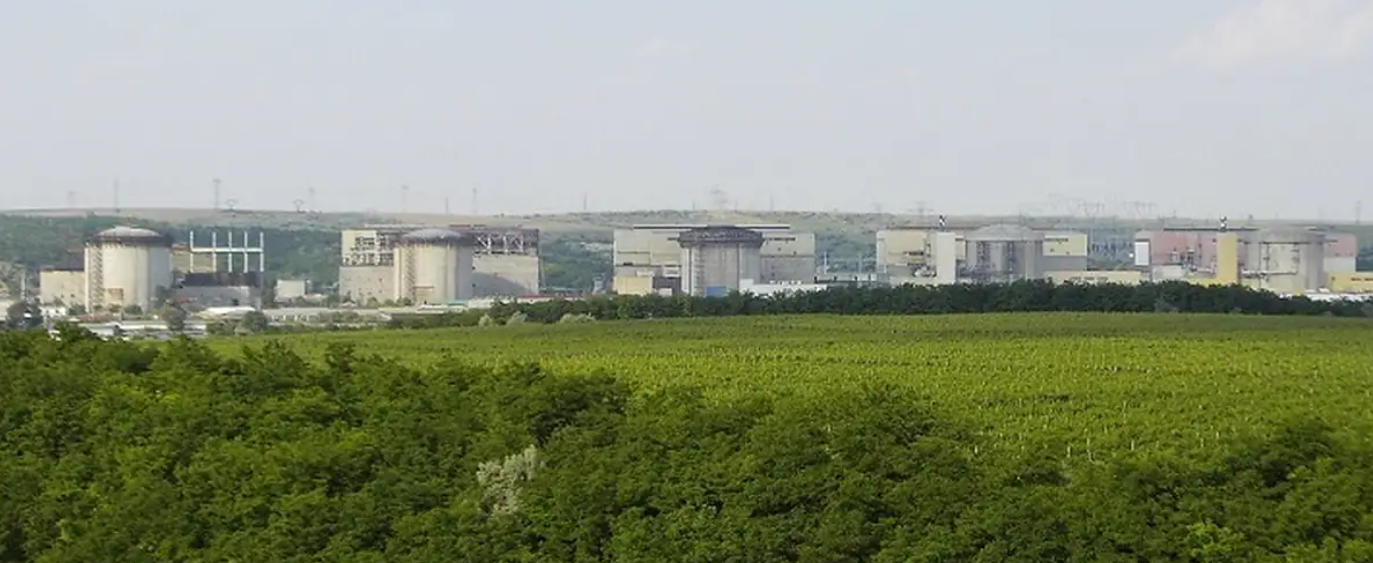
Unit 2 of Romania's Cernavodă Nuclear Power Plant shut down for at least 10 days due to falling Danube River water levels
Romeo Urjan, head of Romania's Cernavodă Nuclear Power Plant, said that due to the continuous decline of Danube River water levels, Unit 2 of the plant has been shut down since August 13 for at least 10 days. Romania's Ministry of Energy stated on August 12 that Unit 2 of the Cernavodă Nuclear Power Plant required a temporary shutdown. As planned, the shutdown operation began on the morning of August 13 and was completed before noon that day. Urjan stated that Danube River water levels are expected to continue declining over the next 10 days, so the plant currently has no plans to restart Unit 2. He emphasized that this shutdown is unrelated to nuclear safety issues or emergencies, with the main reason being...
2026-08-14
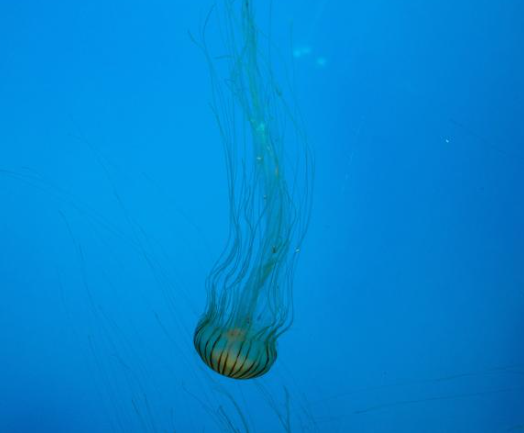
Jellyfish Blockage Forces Shutdown of French Nuclear Units; Experts Say Shutdown Demonstrates Effectiveness of Safety Systems
France's Gravelines Nuclear Power Plant recently shut down some of its units again after large numbers of jellyfish entered the water intake system. On August 11, reactors 2, 3, and 4 at the plant were forced to shut down due to blockage in the seawater cooling pump system, reactor 1 was reduced to half power operation, reactor 5 was under maintenance at the time, and only reactor 6 continued normal operation. EDF (Électricité de France) stated that the incident had no impact on nuclear safety, personnel, or the environment, and the affected units would be restarted in phases. Located in northern France, the Gravelines Nuclear Power Plant is one of the largest nuclear power plants in Western Europe. Similar situations have occurred before. In the 20...
2026-08-13
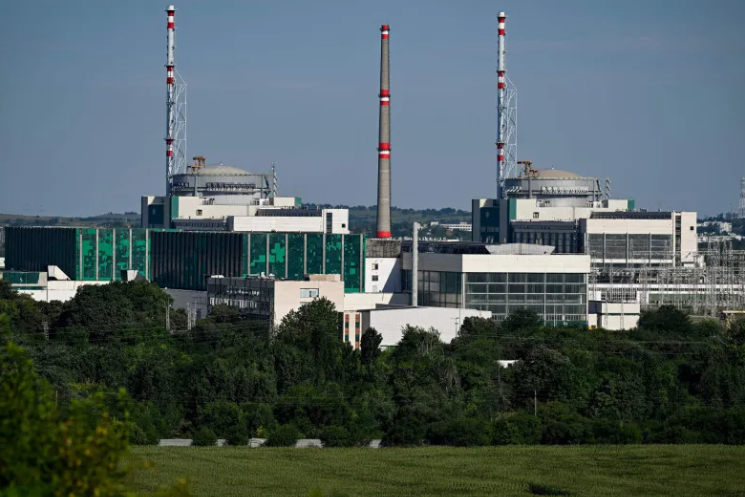
Bulgaria's Kozloduy Nuclear Power Plant Faces Shutdown Risk Due to Low Danube Water Levels
On August 11, Bulgaria's Ministry of Energy warned that the Kozloduy Nuclear Power Plant is facing the risk of reduced output or even shutdown due to the continuously declining water level of the Danube River. The plant relies on the Danube to provide cooling water for its two 1,000 MW reactors. If the water intake capacity continues to be constrained, it will directly affect the safe operation of the reactors and the stability of power supply. Bulgaria's Ministry of Energy stated that measures have been taken to ensure water supply to the cooling system, including dredging the channels connecting the Danube to coastal pumping stations to maintain the necessary flow. This summer, the Danube's water level has dropped to historic lows due to prolonged drought. Near Ruse, Bulgaria, the river's flow is already more than one meter below the safe navigation level, and it has continued to decline over the past 24 hours...
2026-08-12
Romania's Cernavodă Nuclear Power Plant to Shut Down Completely Due to Low Danube Water Levels
Affected by persistent drought and low Danube water levels, the Cernavodă Nuclear Power Plant in Constanța County, southeastern Romania, is expected to be completely shut down within the next 48 hours. Sorin Lindasu, a representative of Romania's water utility company Apele Române, stated that based on current hydrological forecasts, the shutdown of the nuclear power plant is unavoidable and there is no other solution. On Tuesday local time, the Danube's flow rate at its Romanian estuary dropped to 1,370 cubic meters per second, below the previous historical low of 1,450 cubic meters per second. Meteorological forecasts indicate no significant rainfall in the Danube basin over the next five days. Cristian Bușoi, State Secretary of the Romanian Ministry of Energy...
2026-08-12

EDF plans to add cooling towers at Golfech nuclear plant to cope with repeated shutdowns due to high temperatures
French utility EDF is planning to adapt the Golfech nuclear power plant in Tarn-et-Garonne to cope with increasingly frequent heatwaves. Since June this year, the plant has been shut down multiple times due to high temperatures, with another outage in early August, highlighting the growing operational pressure on nuclear facilities that rely on river water for cooling in the context of climate change. The direct cause of the Golfech shutdowns is not that the reactors themselves cannot operate, but rather that the Garonne River water temperature is too high. Under regulations dating from 2006, when the daily average water temperature of the Garonne downstream of the plant exceeds 28 degrees Celsius, EDF may reduce unit output or temporarily shut down. This restriction is primarily intended to protect the river ecosystem...
2026-08-11

Automatic Shutdown of Unit 3 at Oi Nuclear Power Plant During Operation; Kansai Electric Power to Investigate Cause from the 12th
Unit 3 of the Oi Nuclear Power Plant in Fukui Prefecture, Japan, experienced an automatic shutdown during operation in the early hours of the 9th. Operator Kansai Electric Power stated that the fault is related to an internal abnormality in the generator and plans to formally begin a cause investigation from the 12th. Currently, there is no clear timeline for when the unit can resume operation. According to reports, an alarm related to loss of magnetic field occurred inside the generator used for power generation at the time of the incident, after which the generator stopped, and the reactor in operation also automatically shut down. On the 10th, Kansai Electric Power visited the Fukui Prefectural Government to apologize for the fault and report on subsequent response measures. Yuichiro Sakamoto, head of the Fukui Prefecture Disaster Prevention and Safety Division, pointed out that following a steam leak fault at Mihama Nuclear Power Plant Unit 3 in May this year, an unexpected emergency shutdown of a reactor in operation occurring within a short period may undermine public trust in nuclear safety. Local government authorities have demanded that the operator promptly identify the cause and implement measures to prevent similar issues from recurring.
2026-08-11