

Gujarat Plans Large Nuclear Power Project at Dhuvaran
The Gujarat state government is in discussions with the central government of India to build a large nuclear power project at Dhuvaran in Anand district. The project is proposed to be developed through a joint venture with 50% equity participation from each side, with a planned installed capacity of either 4,200 MW or 7,000 MW, with the final configuration still under high-level deliberation. Based on an estimated investment of approximately 35 million rupees per MW, the total project investment could range between 1.25 trillion rupees and 2.25 trillion rupees. If approved and implemented, the project would become one of the larger investments in Gujarat's power sector. Local government officials stated that approximately 1,100 hectares of land have been secured for the project, and a central government team has conducted a site visit, including...
2026-08-27
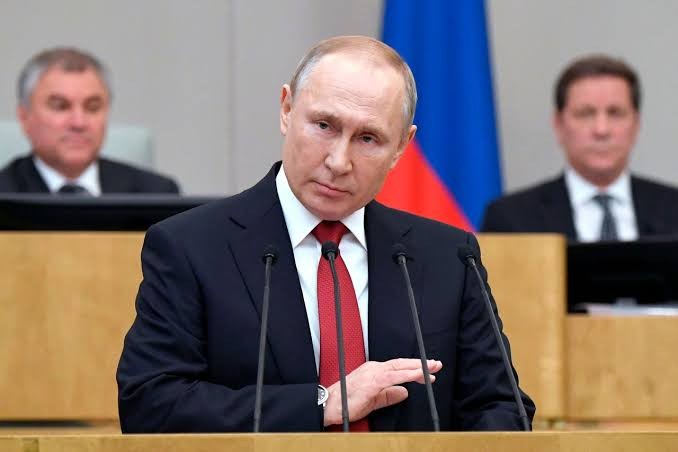
Russia and India to Advance Cooperation in Nuclear Energy and Other Fields
Russian President Vladimir Putin said at a meeting with Indian Foreign Minister Subrahmanyam Jaishankar in Moscow on August 24 that Russia has identified energy, nuclear energy, and high-tech as key areas of bilateral cooperation with India, with relevant topics steadily advancing on the bilateral agenda. Putin stated that Russia and India maintain cooperation across multiple fields, and bilateral trade volume has grown this year. During the talks, he mentioned that issues such as energy, fertilizer supply, nuclear energy, and high-tech cooperation have been discussed under the India-Russia intergovernmental mechanism. Earlier that day, Jaishankar co-chaired the 27th session of the India-Russia Intergovernmental Commission on Trade, Economic, Scientific, Technological and Cultural Cooperation (IRIGC-TEC) with Russian First Deputy Prime Minister Denis M...
2026-08-25
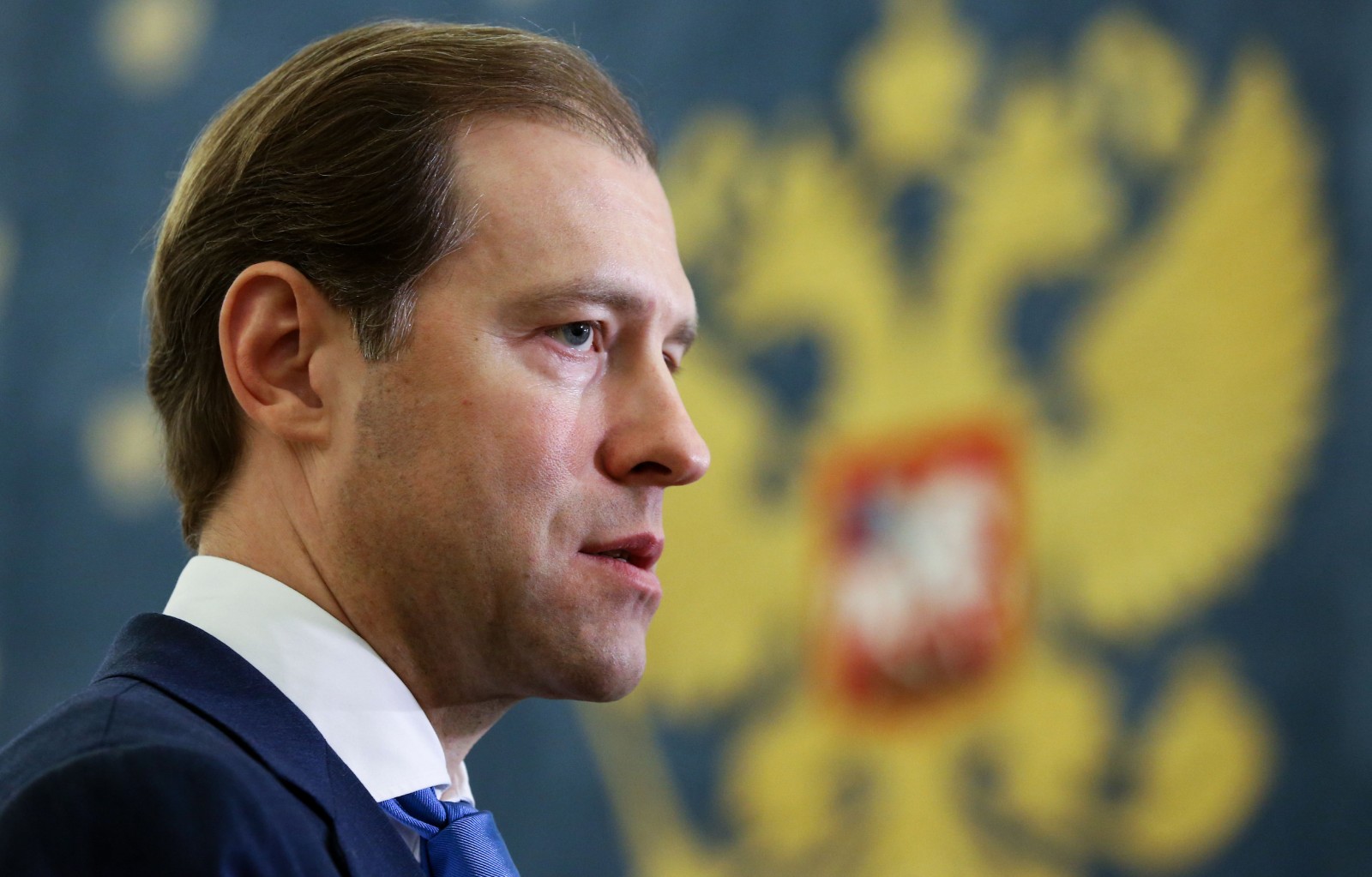
Russia to Expand Nuclear Energy Cooperation with India
Russia's First Deputy Prime Minister Denis Manturov said on August 24 that the cooperation experience of Russia's State Atomic Energy Corporation (Rosatom) in participating in the construction of India's Kudankulam Nuclear Power Plant has laid the foundation for further deepening cooperation between Russia and India in the nuclear energy sector. Manturov stated at a meeting of the Russian-Indian Intergovernmental Commission on Cooperation that the successful cooperation on the Kudankulam Nuclear Power Plant project has created conditions for expanding the scope of bilateral cooperation. Future cooperation directions may include the construction of new power generation facilities in India, including small nuclear power facilities, as well as promoting the localization of equipment and nuclear fuel production in India. The Kudankulam Nuclear Power Plant project...
2026-08-25

Gujarat seeks to attract small modular reactor manufacturing projects
On the fifth day of his visit to the United States, Gujarat Chief Minister Bhupendra Patel met with executives from several global companies in New York to advance investment outreach for the Vibrant Gujarat Global Summit 2027. The meetings included Kyndryl, BlackRock, and Holtec International. During the talks with Holtec International, the two sides focused on nuclear technology and manufacturing cooperation. Holtec International primarily provides spent fuel storage and related solutions for nuclear power plants and has already established a precision manufacturing facility in Gujarat to meet growing demand for air-cooled condensers. According to an official statement, the company plans to expand this facility in 2025.
2026-08-23
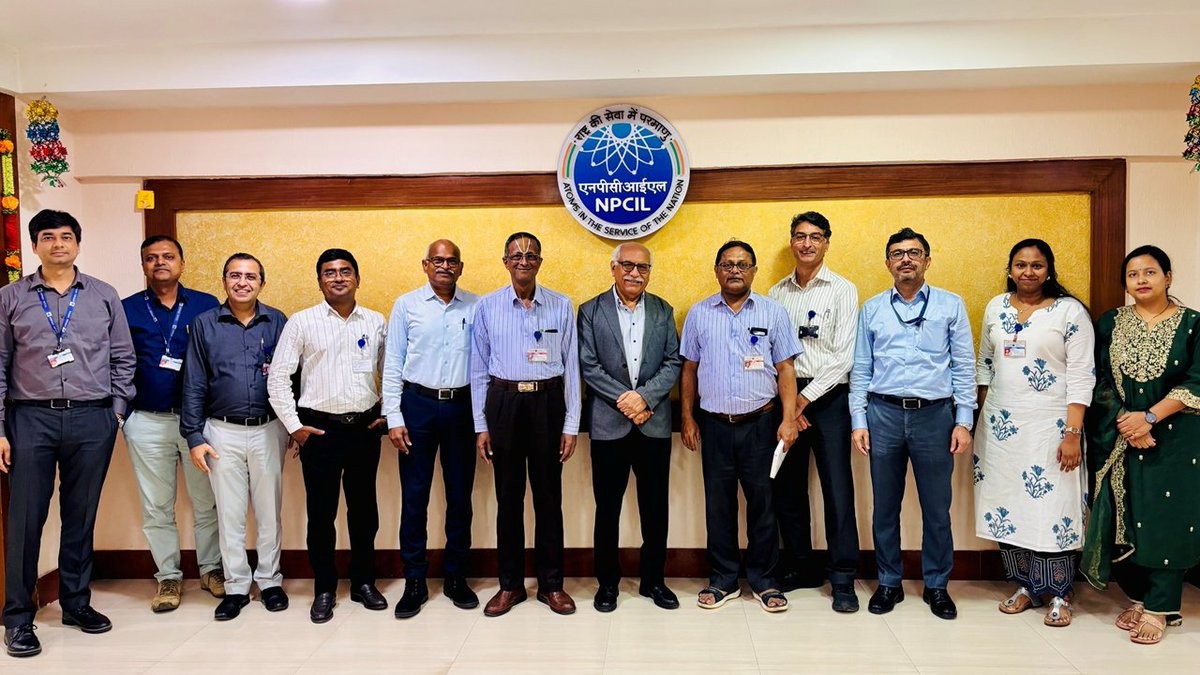
NPCIL Participates in WANO Performance Monitoring Pilot Program
Nuclear Power Corporation of India Limited (NPCIL) recently voluntarily participated in the new Corporate Enhanced Performance Monitoring Program proposed by the World Association of Nuclear Operators (WANO) to further enhance nuclear safety levels and operational performance. According to relevant information, as part of this pilot program, experts from the WANO Tokyo Centre visited NPCIL from August 10 to 14, 2026. The program focuses on nuclear safety and performance at the overall organizational level of nuclear power operators, aiming to promote the establishment of a more systematic performance management mechanism through continuous monitoring and improvement. During this visit, the expert team expressed recognition of NPCIL's planning and practices in promoting a culture of continuous improvement in nuclear safety and nuclear power plant operational performance...
2026-08-22

Singapore and India to Explore Cooperation on Small Modular Reactors
On August 20, the fourth India-Singapore Ministerial Roundtable was held in Singapore. After reviewing progress in the six existing areas of cooperation, both sides proposed to further explore cooperation in new areas such as space and nuclear technology. Singapore's Deputy Prime Minister and Minister for Trade and Industry Gan Kim Yong, who led the Singapore delegation, said after the meeting that Singapore and India are satisfied with the good progress of cooperation in the six areas of sustainable development, digitalization, skills development, healthcare and pharmaceuticals, advanced manufacturing, and connectivity. Among the new areas of cooperation, nuclear technology became one of the topics discussed by both sides, with a focus on...
2026-08-21

India and Germany's Hesse Explore Clean Energy Cooperation, with Discussions Covering Laser-Based Nuclear Fusion Research
On August 19, India's Minister of Commerce and Industry Piyush Goyal held talks with Boris Rhein, Minister-President of the German state of Hesse, to discuss strengthening economic and technological cooperation between India and Hesse. Manfred Pentz, Minister for Federal and European Affairs, International Affairs and Deregulation, along with a German business delegation, attended the meeting. The talks covered several emerging and high-growth sectors, with energy-related discussions focusing on clean energy and future technologies. The two sides discussed Hesse's initiatives in next-generation energy technologies, including laser-based...
2026-08-20
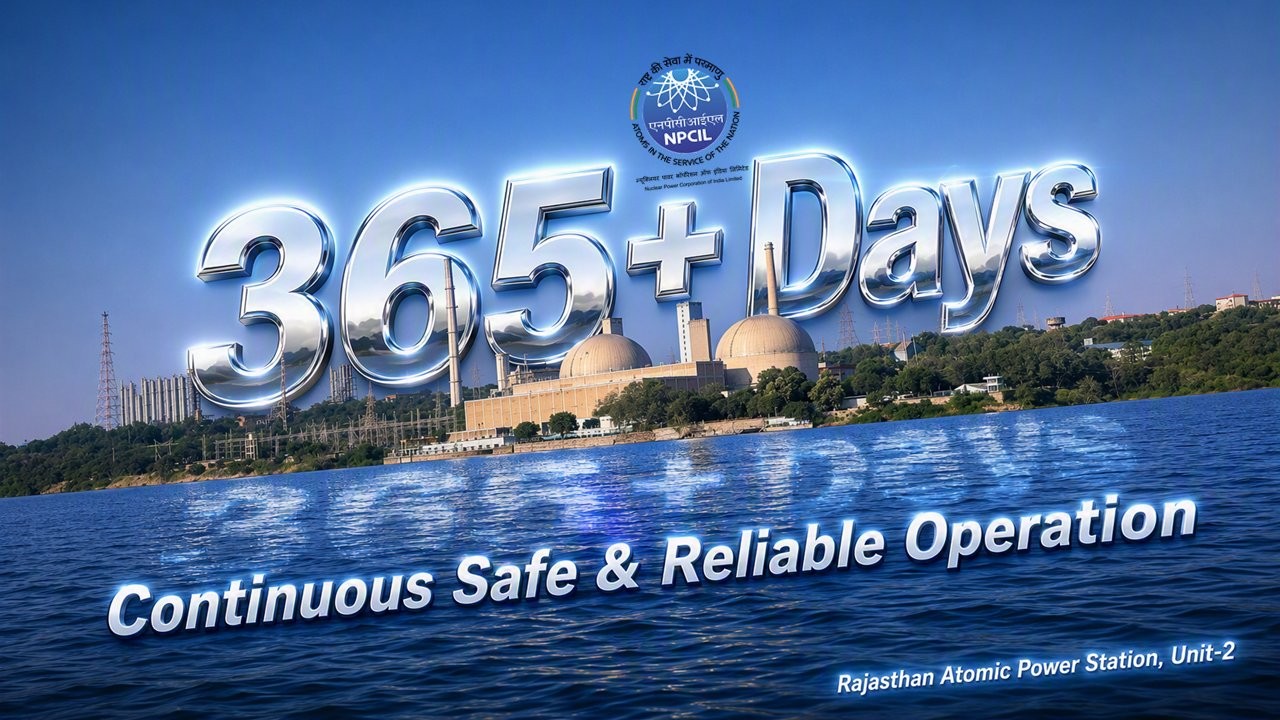
Rajasthan Atomic Power Station Unit 2 Achieves First Full Year of Continuous Operation
Rajasthan Atomic Power Station Unit 2 (RAPS-2) achieved one full year of continuous operation on August 15, 2026. This marks the first time the unit has completed a full year of uninterrupted operation since it was commissioned, coinciding with India's 80th Independence Day. RAPS-2 is operated by the Nuclear Power Corporation of India Limited (NPCIL) and is one of the oldest pressurized heavy water reactor (PHWR) units still in operation by the company. This milestone of one full year of continuous operation is regarded as a significant reflection of the unit's operational management and equipment maintenance standards. Relevant information indicates that this operational record reflects the sustained commitment of Units 1 and 2 at the Rajasthan Atomic Power Station in safety culture, aging management, technical support, and operational organization, and also demonstrates the collaborative efforts of the on-site operations, maintenance, engineering, and support teams in ensuring stable unit operation.
2026-08-19

Indian research team uses supercomputer to track microscopic mechanisms of turbulence in dusty plasmas
Researchers at the Indian Institute of Technology Jammu (IIT Jammu), in collaboration with the Indian Institute of Technology Kanpur (IIT Kanpur), used supercomputer simulations to study the origin of chaos in dusty plasmas. By tracking the motion of millions of individual particles, the study revealed how turbulent energy is transferred from large-scale vortices to microscopic thermal motion of particles, providing a new computational perspective for nuclear fusion plasma research and astrophysical process analysis. Plasma is often referred to as the fourth state of matter. Unlike solids, liquids, and gases, atoms in plasma are ionized, forming a system composed of positively charged ions and negatively charged electrons. When tiny solid dust particles enter the plasma, these particles absorb electrons and become negatively charged, subsequently undergoing complex interactions with surrounding particles to form dusty plasma.
2026-08-19

India Unveils Nuclear Energy Self-Reliance Roadmap, Targeting 100 GW Nuclear Capacity by 2047
India's Minister of State for the Prime Minister's Office, Jitendra Singh, recently stated in a written reply to the Lok Sabha that India is accelerating the development of its domestic nuclear energy ecosystem, with key focus areas including advanced reactor technologies, small modular reactors, domestic manufacturing capabilities, private sector participation, and the long-term development and utilization of thorium resources. Singh stated that India's long-term nuclear energy strategy remains based on its three-stage nuclear power program, aiming to gradually utilize the country's relatively abundant thorium resources while ensuring long-term energy security. India proposed a Nuclear Energy Mission in its 2025-2026 federal budget, planning to expand nuclear power capacity to 100 GW by 2047...
2026-08-17

India Releases Detailed Project Report for 300 MWe Bharat Small Modular Reactor
The release of the Detailed Project Report (DPR) for India's 300 MWe Bharat Small Modular Reactor (BSMR-300) marks a new milestone in India's indigenous small modular reactor program. The report was released on August 14, 2026, and was jointly prepared by the Bhabha Atomic Research Centre (BARC) and the Nuclear Power Corporation of India Limited (NPCIL). The project falls under the indigenous Small Modular Reactor (SMR) program advanced by India's Department of Atomic Energy (DAE), positioned as a complement to India's existing large-scale nuclear power construction projects and offering captive nuclear power solutions. According to the released information, the BSMR-300 is designed as a fully indigenously developed Generation III+ pressurized water reactor with an installed capacity of 300 MWe. The project continues...
2026-08-17

First Concrete Pour Initiated for ECCS Sump of Units 1 & 2 at Gorakhpur Nuclear Power Plant, India
Nuclear Power Corporation of India Limited (NPCIL) announced on August 14 that the first concrete pour was initiated on the same day for the Emergency Core Cooling System (ECCS) sump of Nuclear Building-01 (NB-01) of Units 1 & 2 at the Gorakhpur Haryana Anu Vidyut Pariyojana (GHAVP) — the Gorakhpur Nuclear Power Plant, marking a phased milestone in the project's construction. Units 1 & 2 of the Gorakhpur Nuclear Power Plant are located in Gorakhpur Village, Fatehabad District, Haryana State, India, with two 700 MWe units planned, totaling 1,400 MWe in installed capacity. The pouring operation was carried out after addressing geotechnical and foundation-related challenges, pile foundation qualification, and obtaining necessary regulatory approvals.
2026-08-17

Adani Group in Talks with Odisha on Nuclear Power Projects, Plans Two 3,000 MW Clean Energy Facilities
India's Adani Group is accelerating its industrial footprint in Odisha, with nuclear power, clean energy, mining, aluminum, and port infrastructure emerging as key priorities in recent discussions. Senior executives of the group recently held talks with Odisha government officials to discuss advancing a range of energy and industrial projects in the state, including two proposed 3,000 MW power generation facilities and an integrated coal gasification and coal-to-chemicals project with an investment of approximately INR 800 billion. Karan Adani, CEO of Adani Ports and Special Economic Zone Ltd...
2026-08-17
India Releases Draft Rules Accompanying SHANTI Act, Requiring Nuclear Power Operators to Provide Nuclear Damage Insurance or Financial Guarantees
The Department of Atomic Energy (DAE) of India recently released the draft SHANTI Rules 2026 and the draft SHANTI Regulations 2026 for public consultation. The two documents set out provisions on nuclear project licensing, safety authorization, and nuclear damage liability, aiming to provide an institutional framework for India's expansion of nuclear power capacity and the introduction of more market players into nuclear energy development. Under the drafts, operators of nuclear power plants or reactors must purchase insurance, provide financial guarantees, or adopt both approaches for nuclear damage. Such financial security must remain in effect until all spent fuel has been removed from the corresponding storage pools. The drafts also propose the establishment of a nuclear liability fund, with funding sources linked to the civil liability limits borne by operators...
2026-08-17
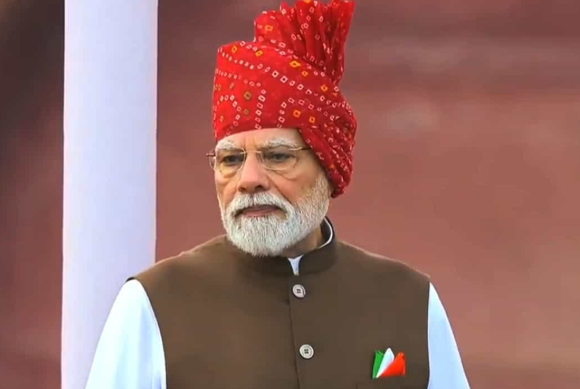
Red Fort Address: Modi Reaffirms "Developed India" Vision for 2047, Sets 100 GW Nuclear Power Target
On August 15, India celebrated its 80th Independence Day, with Prime Minister Narendra Modi addressing the nation from the ramparts of the Red Fort in Delhi. The core message centered on the national vision of building a developed India by 2047. He called on citizens to move beyond small-target thinking and embrace greater developmental ambitions, emphasizing that unwavering resolve could chart a path forward for the nation amid complex circumstances. This statement continues India's recent political narrative of using the 100th anniversary of independence as a long-term development milestone. In his address, Modi highlighted India's economic and industrial transformations over the past 12 years. He noted that India, once regarded as one of the fragile five economies, has now become one of the fastest-growing major economies globally...
2026-08-15

India Proposes Strict Approval System for Private Nuclear Power Projects
On August 14, India proposed a strict regulatory approval system for private nuclear power projects, aiming to create conditions for foreign reactor technologies with proven operating records to enter the Indian market while maintaining access and operational controls. Under the draft rules, companies could obtain in-principle approval before securing formal licenses, allowing them to hire suppliers, conduct preliminary development work, and acquire project land. Once projects enter the licensing phase, they would undergo phased regulatory reviews covering design, siting, construction, commissioning, and operation. The draft also seeks to grant regulators stronger oversight powers, including the authority to halt work at critical project stages. For a long time,...
2026-08-15
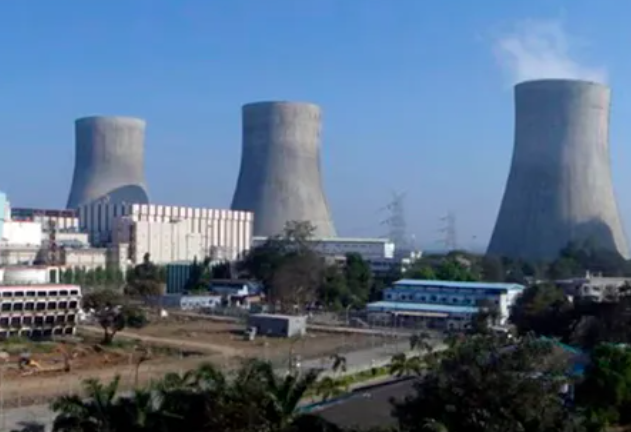
Indian Government Approves INR 133.55 Billion Equity Funding for 6 Nuclear Power Projects Under Construction
To advance nuclear power construction and meet growing electricity demand, the Indian central government has approved equity funding of INR 133.55 billion (approximately RMB 13.355 billion) for six nuclear power projects under construction, with all funds fully disbursed. This information was disclosed by Dr. Jitendra Singh, Minister of State for Atomic Energy, in a written reply to the Rajya Sabha. Singh noted that multiple technical, supply chain, and global situation factors have caused project delays: significant design modifications required under new safety standards following the Fukushima nuclear accident in Japan; delays in supply of critical equipment; and the impact of the COVID-19 pandemic on construction progress. In addition, disrupted equipment supplies from Russia, financial difficulties faced by contractors after the pandemic, complex geological conditions, and a shortage of skilled workers have also slowed project momentum. The Russia-Ukraine conflict and ongoing geopolitical tensions in West Asia have further affected supply chains.
2026-08-14

India plans to build at least five domestically designed small modular reactors by 2033, and reports on nuclear power plant safety assessments
In a written reply to the Lok Sabha on August 12, Jitendra Singh, India's Minister of State for Atomic Energy, stated that a key objective of the Indian government under its nuclear energy mission is to develop and operationalize at least five domestically designed small modular reactors by 2033. According to the briefing, the Bhabha Atomic Research Centre (BARC) is advancing the design and development of indigenous small modular reactor (SMR) technology, with projects including the 220 MWe Bharat Small Modular Reactor (BSMR-200) and the 55 MWe SMR-55 for power generation. BARC is also developing a High-Temperature Gas-Cooled Reactor (HTGCR) with a capacity of up to 5 MW, which can be coupled with suitable thermochemical cycles for hydrogen production. Singh stated that India...
2026-08-13

India's Bihar signs memorandum of understanding for $2.3 billion small modular reactor project
The government of Bihar, India recently signed investment memorandums of understanding totaling approximately $6 billion (about €5.2 billion) with several industrial enterprises, covering sectors such as steel, textiles, food processing, pharmaceuticals, and nuclear energy. Among these, the nuclear energy project investment amounts to approximately $2.3 billion, making it the largest investment proposal among the signed agreements. According to a statement issued by the office of Bihar Chief Minister Samrat Choudhary, Global Renewable Advanced Clean Energy, a recently registered company headquartered in Hyderabad in central India, signed the nuclear energy memorandum of understanding. Further details...
2026-08-12

India's Nuclear Power Expansion Drives Up Uranium Demand, Annual Demand Could Reach 5,400 Tonnes
India is accelerating its nuclear energy development program, with uranium resource demand rising correspondingly. According to estimates by the Indian Parliament's Committee on Public Undertakings in its follow-up report on NPCIL performance rectification, India will require approximately 5,400 tonnes of uranium annually in the future as nuclear power projects expand. This figure reflects the urgency of India's energy structure adjustment and indicates the rising status of nuclear power in its long-term electricity planning. Currently, domestic uranium production in India can only meet about 30% of demand, with the remainder relying on imports, primarily from countries including Kazakhstan, Russia, Uzbekistan, and Canada. The Parliamentary Committee therefore emphasized...
2026-08-10
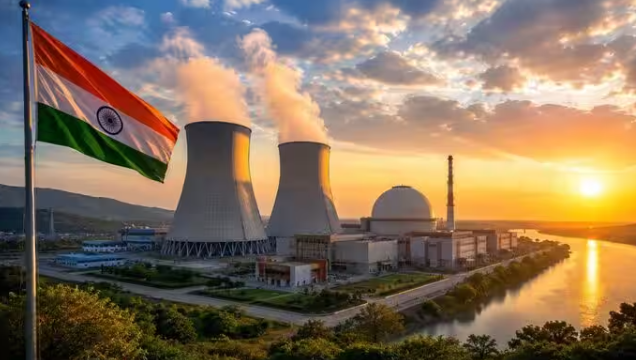
India's cumulative nuclear power generation surpasses 1 trillion units (1000 BU), NPCIL sets historic milestone
Nuclear Power Corporation of India Limited (NPCIL) announced on August 4 that cumulative nuclear power generation since the start of commercial operations has exceeded 100 billion kilowatt-hours (1000 Billion Units, equivalent to 1 trillion kWh) for the first time. The company stated that this milestone marks a significant achievement on India's path toward clean and sustainable energy, corresponding to avoiding approximately 860 million tonnes of CO₂ emissions—equivalent to approximately taking 187 million gasoline and diesel passenger vehicles off the road for a full year, or nearly the total annual greenhouse gas emissions of a single industrialized nation such as Germany or Japan. NPCIL data shows that electricity generated through nuclear power has effectively avoided substantial greenhouse gas emissions. Nuclear energy is recognized as one of the low-carbon and reliable energy sources, playing a critical role in addressing climate change...
2026-08-05
Reading Ranking
- 1 India's Private Fusion Tokamak PRAGYA Achieves Plasma Operation
- 2 India's Hylenr Technologies Claims Detection of Rare Earth Element Signatures in Lattice-Confined Fusion System
- 3 India is advancing its nuclear power project in Rajasthan
- 4 Gujarat Plans Large Nuclear Power Project at Dhuvaran
- 5 Singapore and India to Explore Cooperation on Small Modular Reactors
- 6 India's Draft Nuclear Regulations May Affect Foreign Reactor Technology Introduction
- 7 India's First Draft Rules for SHANTI Nuclear Energy Act Prepared, in Consultation with Ministries and Industry
- 8 Indian, Russian Leaders to Meet Ahead of BRICS Summit; Talks on New Nuclear Power Plants on Agenda
- 9 India Unveils Nuclear Energy Self-Reliance Roadmap, Targeting 100 GW Nuclear Capacity by 2047
- 10 India Urged to Adjust Green Finance Rules to Support Nuclear Power Expansion
- 11 Russia to Expand Nuclear Energy Cooperation with India
- 12 India's Tata Consulting Engineers Calls for Expanded Private Sector Participation in Nuclear Energy R&D
- 13 NPCIL launches engineering design tender for 220 MWe Bharat Small Reactor
- 14 India's cumulative nuclear power generation surpasses 1 trillion units (1000 BU), NPCIL sets historic milestone
- 15 NPCIL plans new design unit to support indigenous PHWR deployment