
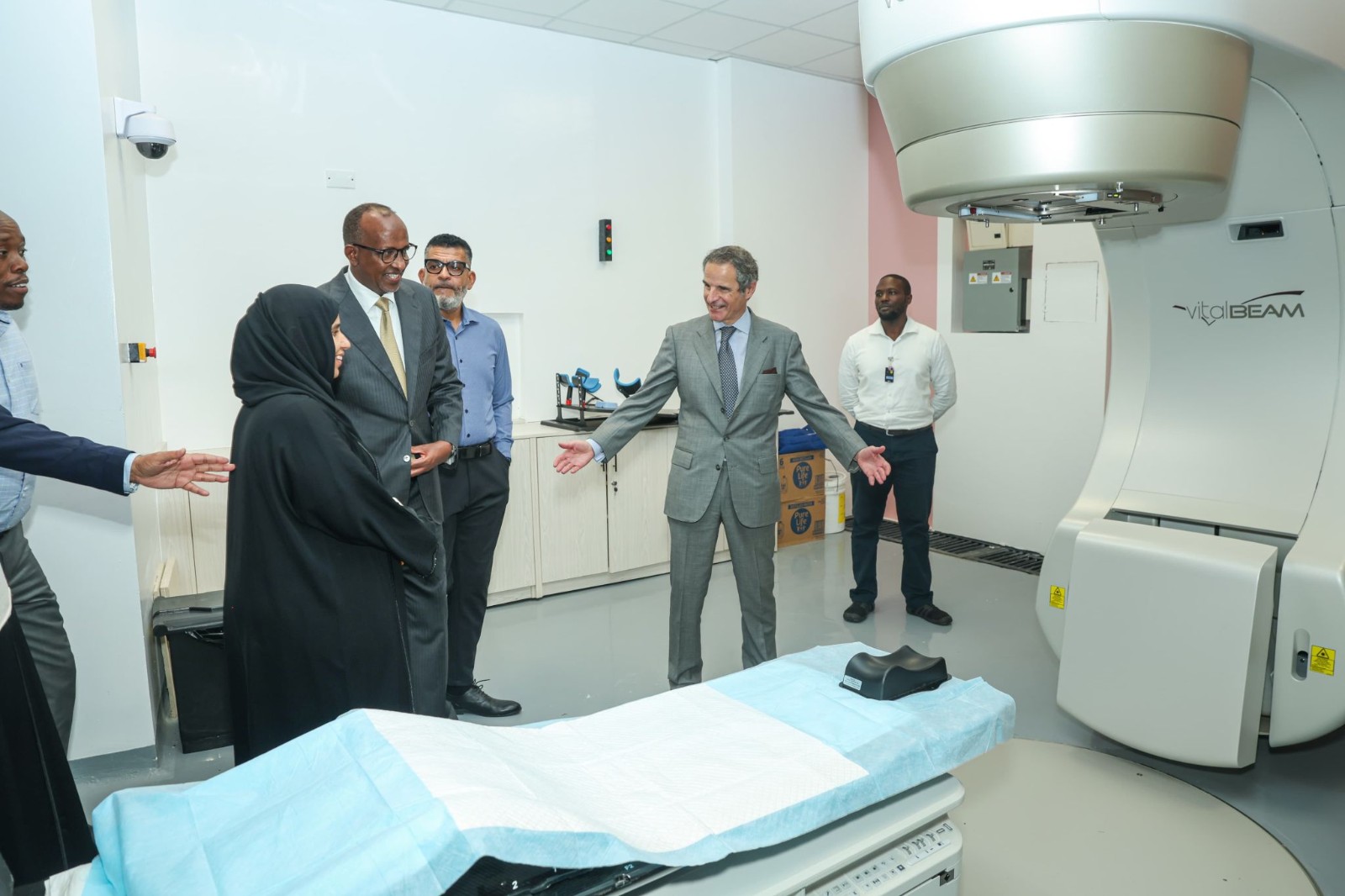
IAEA's Rays of Hope Initiative Boosts Global Cancer Care
The IAEA's Rays of Hope initiative aims to expand access to cancer care, drive innovation, and build partnerships to narrow the global gap in cancer treatment. Every year, cancer claims more than 10 million lives, and that number is expected to nearly double by 2050. While many cancers are treatable, especially when detected early, timely diagnosis and life-saving treatment are unevenly distributed around the world. Low- and middle-income countries often lack modern medical imaging and radiotherapy equipment, trained oncologists, research capacity, and basic services. More than half of cancer cases occur in these countries, and nearly two-thirds...
2026-09-16

Siemens Healthineers Invests $44 Million to Expand PET/CT Production Capacity
Siemens Healthineers announced that the company will make an investment of nearly $44 million at its PET detector center in Rockford, Tennessee, to increase production capacity for PET/CT equipment. This investment marks the completion of the company's construction project at the center, which is aimed at meeting growing demand for PET/CT technology and supporting new product lines launched in the U.S. and international markets. In the Rockford expansion project, approximately 40,000 square meters of building area were added, increasing the total campus footprint to 97,000 square meters, while 7,500 square meters of existing buildings were also renovated. The campus is Siemens Healthineers' only...
2026-09-15

FDA Approves Telix's New Brain Tumor Imaging Agent Pixclara
The U.S. Food and Drug Administration (FDA) has approved a new brain tumor imaging agent developed by Australian pharmaceutical company Telix, the company announced on Monday. The product, called Pixclara, is a radioactive diagnostic drug used in combination with positron emission tomography (PET) imaging. Its primary use is to help doctors distinguish between recurrent brain tumors and harmless changes caused by prior treatment. The FDA approval comes after Telix faced an FDA rejection last year due to insufficient evidence. Kevin Richardson, CEO of Telix Precision Medicine, said in a statement: "As the first FDA-approved PET imaging drug for glioma (a type of brain tumor), Pixclara will provide physicians in the United States with more definitive diagnoses and greater confidence in patient treatment planning."
2026-09-15

GE HealthCare Plans $1 Billion Acquisition of Radiopharmaceutical Company Sofie Biosciences
According to reports, healthcare giant GE HealthCare is in talks to acquire radiopharmaceutical company Sofie Biosciences for $1 billion. It is understood that this acquisition will be another major business move for GE HealthCare since its spin-off from General Electric Company in 2023. Previously, the company reached an agreement in March of this year to acquire software company Intelerad for $2.3 billion, aiming to enhance its cloud-based enterprise imaging service capabilities. Sofie Biosciences was founded in 2008 and is headquartered in Dulles, Virginia. The company has a well-established radiopharmaceutical production and distribution network and provides contract manufacturing services. In addition, Sofie Biosci...
2026-09-15
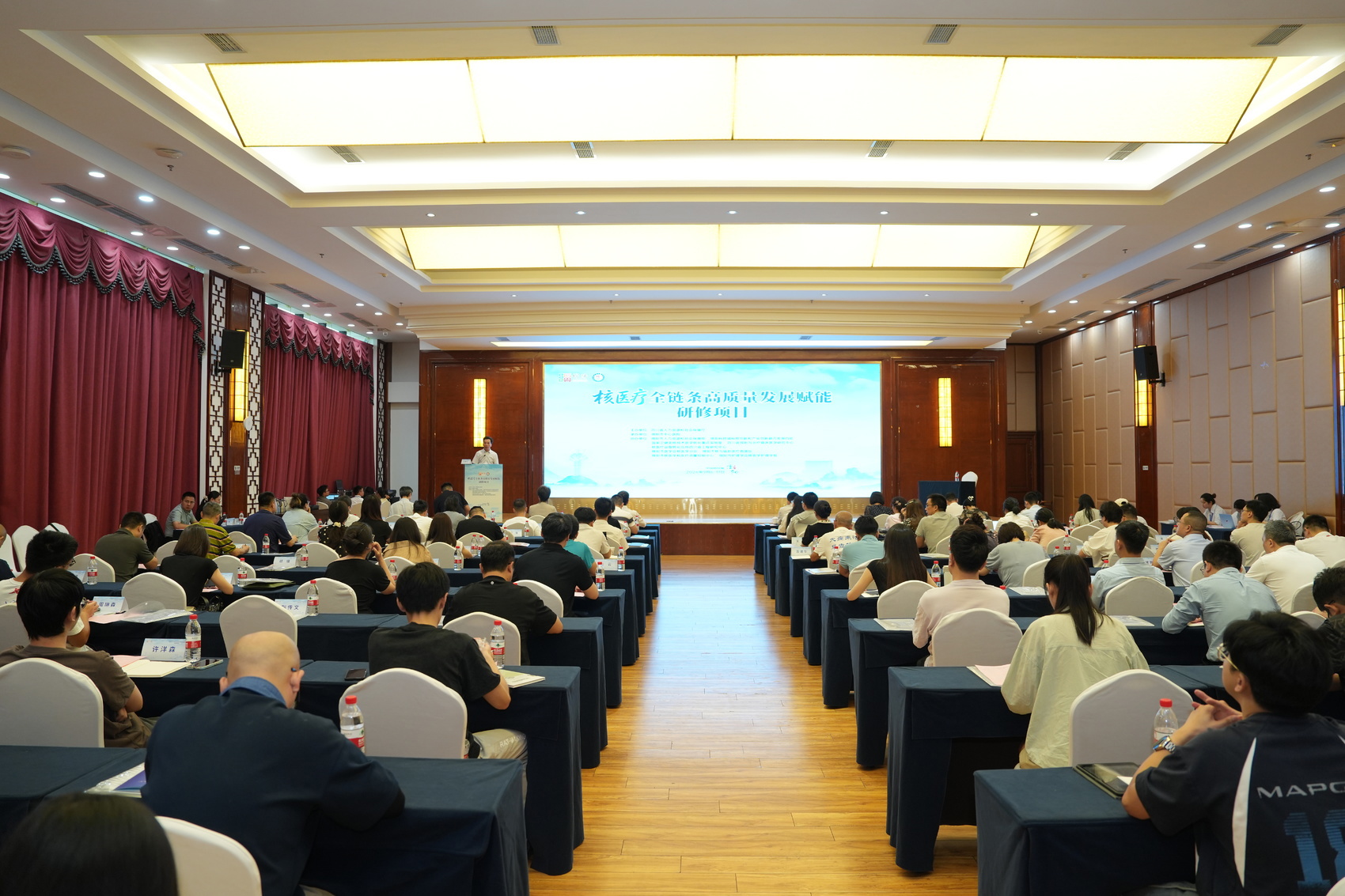
The Nuclear Medicine Full-Chain High-Quality Development Empowerment Training Program Was Successfully Held in Mianyang, Sichuan
From September 6 to 11, the Nuclear Medicine Full-Chain High-Quality Development Empowerment Training Program, hosted by the Department of Human Resources and Social Security of Sichuan Province and organized by Mianyang Central Hospital, was successfully held in Mianyang, Sichuan. Hundreds of nuclear medicine peers from all over the country, including Beijing, Shanghai, Guangzhou, Tianjin, Chongqing, and Chengdu, completed all course studies and returned to their posts fully loaded with training results. This training was hosted by the Department of Human Resources and Social Security of Sichuan Province, organized by Mianyang Central Hospital, and co-organized by multiple departments including the Mianyang Municipal Human Resources and Social Security Bureau and the Fourth Division of Science and Technology Innovation and Industrial Innovation Integration Development of Mianyang Science and Technology City. The training content focused on nuclear medicine from laboratory research and development to clinical application...
2026-09-14

Institute of Radiation Medicine, Chinese Academy of Medical Sciences Promotes the Translation and Application of Medical X-ray Skin Protective Agent
On September 10, Zhang Jianhong, Party Secretary of the Institute of Radiation Medicine, Chinese Academy of Medical Sciences, led a delegation to Nanjing to conduct research with the Institute of Dermatology, Chinese Academy of Medical Sciences and Jiangsu Haizhi Biomedical Co., Ltd., exchanging views on the translation and application of the medical X-ray skin protective agent project. Representatives from the hospital, research institute, and enterprise held discussions on industry-university-research collaboration, clinical demand alignment, and industrialization pathways. It is understood that the medical X-ray skin protective agent is one of the core products in the radiation protection series independently developed by the Institute of Radiation Medicine. After being put into production, the product is expected to become China's first medical X-ray skin protective agent for scar radiotherapy. At the symposium, Zhang Jianhong stated that dermatology...
2026-09-12

Best Cyclotron Systems 70MeV high-current proton cyclotron passes factory acceptance test, to be delivered to Taiwan, China
Best Cyclotron Systems (BCS) recently announced that its 70 megaelectronvolt (MeV) high-current proton cyclotron B-70 completed factory acceptance testing in July, and the equipment will soon be delivered to the National Atomic Research Institute (NARI) in Taoyuan City, Taiwan, China. Related installation and project construction are expected to be completed in 2027. According to the introduction, B-70 was designed, developed and manufactured in Canada by engineers and scientists under TeamBest, and is an advanced cyclotron system for high-current proton beam applications. The equipment will be used to expand accelerator-based radioisotope production and research capabilities, and also reflects the company's...
2026-09-11

Denmark's Region East Denmark to expand Sectra One imaging platform, unifying regional nuclear medicine and other medical imaging services
Swedish medical imaging IT and cybersecurity company Sectra has recently signed a contract to expand the application of its Sectra One enterprise imaging solution from hospitals in Denmark's Capital Region to the entire Region East Denmark. Region East Denmark was formed by merging the Capital Region and Region Zealand, and this expansion aims to promote unified operation of imaging services across hospitals in the entire region. Under the contract, Sectra One will be delivered as a fully managed cloud service, covering all hospitals in Region East Denmark for the review and storage of radiology medical images, including breast imaging, nuclear medicine, and clinical physiology. Hospitals in Region Zealand will migrate to the system currently in use in the Capital Region,...
2026-09-11

Canada Supports IAEA "Rays of Hope" Initiative for the First Time, Will Provide Medical Isotope Training for Latin America
The Canadian Nuclear Isotope Council (CNIC) announced on September 10 that Canada has for the first time formally provided support to the International Atomic Energy Agency (IAEA) Rays of Hope initiative, and will help enhance cancer diagnosis and treatment capacity in Latin America through training in the production of medical radioisotopes and radiopharmaceuticals. The Rays of Hope initiative aims to expand access to cancer treatment and radiotherapy infrastructure in low- and middle-income countries. Under the arrangement, from November 8 to 14, 26 relevant sector leaders from Argentina, Brazil, Chile and Mexico will travel to Ontario, Canada, to participate in a training program jointly organized by Bruce Power and McMaster University. The training will focus on medical isotopes...
2026-09-11

US Study Says Third Course of Radiation Therapy May Improve Survival and Symptoms in Children with Recurrent DIPG
According to news from the Icahn School of Medicine at Mount Sinai in the United States on September 2, researchers at the institution released a new study on re-irradiation for recurrent diffuse intrinsic pontine glioma (DIPG). The study shows that carefully selected pediatric patients who receive a third course of radiation therapy after disease recurrence may achieve symptom relief, improved quality of life, and potentially prolonged survival. The related study has been published in Practical Radiation Oncology. DIPG is a highly aggressive pediatric brain tumor that occurs in the brainstem region. The brainstem controls critical life functions such as breathing and movement, so the tumor usually cannot be removed surgically. Data show that DIPG mainly affects children aged 5 to 10, and even...
2026-09-10

Rapid Arc Dynamic Precision Radiotherapy Technology Launched in Western New South Wales, Australia
Cancer patients in western New South Wales, Australia, have recently gained a new radiotherapy option. The Western New South Wales Local Health District has introduced Rapid Arc Dynamic (RAD) technology at the Western Cancer Centre at Dubbo Health Service, becoming the first public health institution in Australia to offer this service. According to reports, RAD is a highly precise and personalized radiotherapy technology that can help clinicians more accurately target tumor areas while minimizing radiation exposure to surrounding healthy tissue. This technology is suitable for a variety of treatment scenarios, particularly for patients with longer tumor extents and lymph node metastases. R...
2026-09-10

India's Fortis Healthcare Plans to Introduce the Country's First Upright Proton Therapy System
India's Fortis Healthcare has announced plans to install Mevion Medical Systems' MEVION S250-FIT proton therapy system at Fortis Memorial Research Institute (FMRI) in Gurugram. The hospital is Fortis' flagship quaternary care hospital and its comprehensive oncology and precision cancer treatment center. According to reports, the system will be equipped with Leo Cancer Care's Marie® upright patient positioning and imaging solution, as well as RaySearch Laboratories' RayStation® treatment planning software. If the project receives relevant regulatory approvals and completes site preparation, Fortis will become India's first planned...
2026-09-10

Siemens Healthineers Completes PET Detector Manufacturing Expansion Project in Tennessee, USA
Siemens Healthineers recently completed the expansion and renovation project of its PET detector center in Rockford, Tennessee, USA, with a total investment of $43.6 million. The project aims to enhance PET detector manufacturing capacity to meet the growing demand for PET/CT scanning equipment. The project added 40,000 square feet of building area to the existing 97,000-square-foot campus and renovated 7,500 square feet of existing space. The Rockford facility is Siemens Healthineers' only manufacturing site globally for producing PET detectors used in its PET/CT systems. The expansion includes 36,000 square feet of dedicated manufacturing space and a 4,000-square-foot expansion of R&D facilities; meanwhile, the company also renovated...
2026-09-10

American Society of Nuclear Cardiology Releases New 2026 Guidelines for Stress Testing in SPECT and PET Myocardial Perfusion Imaging
The American Society of Nuclear Cardiology (ASNC) has recently developed and released the "2026 ASNC Guidelines for Stress Testing in SPECT and PET Myocardial Perfusion Imaging." The guidelines have been published online in the Journal of Nuclear Cardiology and will replace the 2016 version to reflect changes in the field of nuclear cardiology over the past decade in terms of technology application, examination workflows, and clinical assessment. The new guidelines focus on stress testing in single-photon emission computed tomography (SPECT) and positron emission tomography (PET) myocardial perfusion imaging, updating recommendations on patient preparation, selection of stress testing modalities, safety management, protocols for different imaging modalities, image interpretation, and report writing. The guideline chair and lead...
2026-09-10
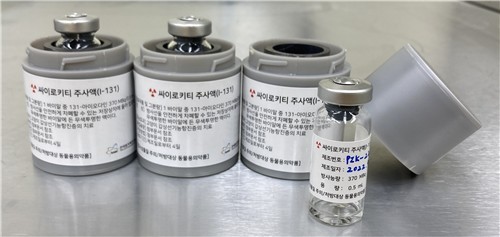
South Korea's First Animal Radiopharmaceutical Approved for the Treatment of Feline Hyperthyroidism
The Korea Atomic Energy Research Institute announced on September 10 that Thyrokitty Injection (I-131), a radiopharmaceutical for the treatment of feline hyperthyroidism developed by the research team led by Dr. Lim Jae-cheong, has obtained an animal drug manufacturing license issued by the Animal and Plant Quarantine Agency of South Korea. This is South Korea's first animal radiopharmaceutical to receive final product approval, marking the transition of related technologies that had previously been mainly at the R&D stage into clinical therapeutic application for pets. Feline hyperthyroidism is a relatively common endocrine disease in older cats, mainly characterized by excessive secretion of thyroid hormones. According to reports, approximately 10% of cats aged 10 and above may suffer from this disease. Traditional treatment methods typically require...
2026-09-10

Domestically Developed "Boron Neutron Capture Therapy System" Enters the National Special Review Procedure for Innovative Medical Devices
Recently, the Medical Device Technical Review Center of the National Medical Products Administration issued a public notice on the review results of applications for the Special Review Procedure for Innovative Medical Devices (No. 14 of 2026). The boron neutron capture therapy system independently developed by Huapeng Neutron Technology (Hangzhou) Co., Ltd. has officially entered the National Special Review Procedure for Innovative Medical Devices after the public notice period. Screenshot from the official website of the Medical Device Technical Review Center of the National Medical Products Administration. The Special Review Procedure for Innovative Medical Devices is a review channel established by the National Medical Products Administration to encourage medical device innovation and promote the application of new technologies, effective since December 1, 2018. According to the relevant procedures, drug regulatory authorities and technical institutions will, on the premise of not lowering standards and not reducing procedures,...
2026-09-10

ITM and SpiroChem Announce Strategic Collaboration to Advance Novel Radiopharmaceutical Development
Garching/Munich, Germany and Basel, Switzerland, September 8, 2026 – Radiopharmaceutical biotechnology company ITM Isotope Technologies Munich SE and Swiss collaborative research organization SpiroChem AG today announced a strategic drug discovery partnership focused on a novel radiopharmaceutical candidate within ITM's pipeline. The specific target and financial terms of the collaboration were not disclosed. Under the agreement, the parties will combine their respective capabilities to advance candidate discovery and optimization. SpiroChem will leverage its drug discovery platform, macrocycle library, and screening engine to lead hit identification and optimization, while ITM will provide...
2026-09-09
Penza State University in Russia Develops Training Simulator for X-ray Image Defect Recognition
Researchers at Penza State University in Russia have developed an interactive training simulator for identifying defects in X-ray images, aimed at helping medical students and residents more accurately assess abnormalities in medical images and understand the physical causes behind different image defects. X-ray image quality directly affects the efficiency of pathological change detection and clinical diagnostic judgment. Factors such as equipment condition, exposure parameters, radiation dose, and quantum noise levels can all lead to degraded image quality. Therefore, radiologic technologists and radiologists need not only to identify lesions in images, but also to assess image quality and determine whether defects such as low contrast, noise, blur, and artifacts may affect diagnosis...
2026-09-09

GE HealthCare's StarGuide GX Digital 4D CZT SPECT/CT Receives FDA 510(k) Clearance in the U.S.
GE HealthCare recently announced that its new digital 4D CZT SPECT/CT system, StarGuide GX, has received 510(k) clearance from the U.S. Food and Drug Administration (FDA). The system had previously obtained CE marking, and this U.S. clearance marks progress in the clinical adoption of its next-generation molecular imaging technology. Designed for theragnostics and precision medicine needs, StarGuide GX is a comprehensive SPECT/CT system. It supports imaging at multiple energy levels, enables general-purpose SPECT imaging, and is tailored for emerging tracer applications, including investigational α-emitters, aiming to provide imaging support for clinicians and researchers exploring new pathways in diagnosis, treatment planning, and therapeutic response monitoring.
2026-09-09
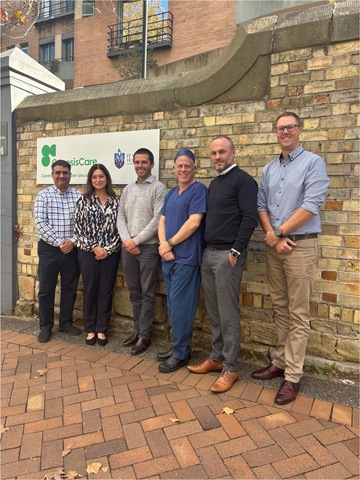
Australia's First ZAP-X Gyroscopic Radiosurgery Platform to Be Installed at St Vincent's Hospital Sydney
ZAP Surgical Systems has announced that GenesisCare will become the first cancer treatment provider in Australia to introduce the ZAP-X Gyroscopic Radiosurgery® platform. The device is expected to be installed this month at GenesisCare's center at St Vincent's Hospital in Sydney, New South Wales, with the first patients anticipated to begin treatment before the end of the year. The deployment of the ZAP-X platform will enhance GenesisCare's neuro-oncology treatment capabilities in Sydney, enabling it to deliver dedicated stereotactic radiosurgery (SRS). Previously, SRS patients were primarily treated using cobalt-60 systems and multi-purpose radiotherapy linear accelerators. The ZAP-X, in contrast, is a dedicated platform designed for non-inv...
2026-09-09

Alpha-9 Oncology Initiates Phase 1 Clinical Trial of GRPR-Targeted Radiotherapy, First Patient Dosed
Alpha-9 Oncology, a U.S. clinical-stage radiopharmaceutical company, recently announced that the first patient has been dosed in its Phase 1 clinical trial evaluating two GRPR-targeted radiopharmaceuticals. The study involves the actinium-225-labeled compound 225Ac-A9-0642 and the lutetium-177-labeled compound 177Lu-A9-0631, primarily enrolling patients with breast cancer and other solid tumors, with data expected to be released by the end of 2027. According to the company, both 225Ac-A9-0642 and 177Lu-A9-0631 target the gastrin-releasing peptide receptor (GRPR). GRPR is considered a solid tumor-associated target with potential clinical value in breast cancer and other solid tumors. 225Ac-A9-0642 is Alpha-9's first actinium-225 GRPR-targeted compound to enter clinical evaluation...
2026-09-09
Reading Ranking
- 1 Department of Nuclear Medicine at Peking University First Hospital Receives EARL Theranostics Advanced-L2 Certification, Bringing Theranostics in Line with International Standards
- 2 Hitachi Receives Order for Heavy Ion Therapy System from Shanghai Proton and Heavy Ion Center
- 3 FDA Approves Lantheus' Bravnetsa for the Treatment of Gastroenteropancreatic Neuroendocrine Tumors
- 4 Anhui Juhe Haizhi Settles in Hefei, to Release Radiation-Related Maintenance Robots
- 5 Civil Construction of Huizhou Heavy Ion Medical Center Passes Completion Acceptance and Transitions to Accelerator No-Load Commissioning
- 6 Thor Medical Commences Commercial Supply with First Delivery of High-Purity Thorium-228 from AlphaOne
- 7 Curium's Lutetium-177 Injection Approved by FDA for Treatment of Gastroenteropancreatic Neuroendocrine Tumors
- 8 Samsung and Accuray Plan Collaboration on Image-Guided Precision Radiation Therapy
- 9 OXOS Medical and Others Deploy Portable X-Ray Systems to Disaster Zones in Venezuela
- 10 Chest CT Can Measure Bone Density and Warn of Brain Aging Risk: Latest Research Reveals Link Between Skeletal and Cognitive Decline
- 11 Guoke Ion Makes Its Debut at AOCMP 2026, Domestic Ion Therapy Technology Draws Attention from Asia-Pacific Peers
- 12 ASP Isotopes Plans Commercial Delivery of Multiple Stable Isotopes in Second Half of 2026
- 13 Dongcheng Pharmaceutical Adds New Radiopharmaceutical Production Center in Jinzhong, Shanxi
- 14 IAEA's Rays of Hope Initiative Boosts Global Cancer Care
- 15 At the American Society for Radiation Oncology annual meeting, phase 3 clinical results were announced: SBRT radiotherapy for localized prostate cancer achieves long-term control rates comparable to radical prostatectomy and greatly reduces the risk of incontinence.