
Search Results
Keyword:ARC
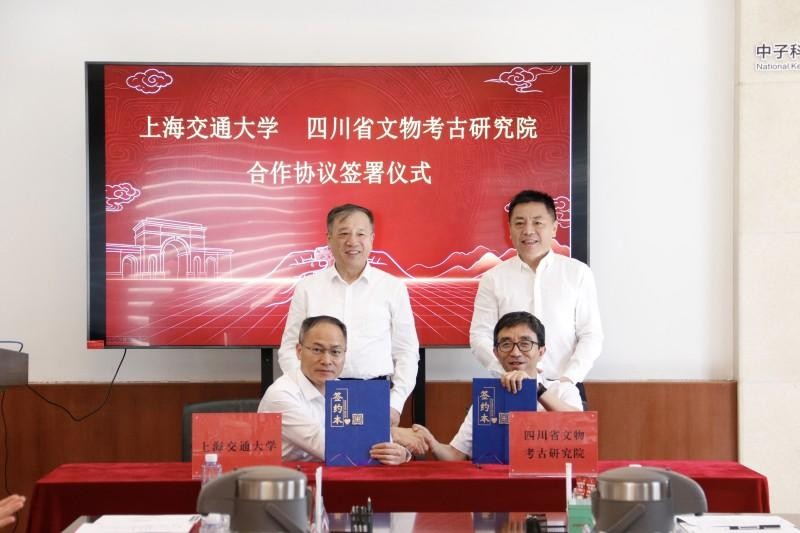
Shanghai Jiao Tong University and Sichuan Provincial Cultural Relics and Archaeology Research Institute to Jointly Build Neutron Cultural Heritage Protection Laboratory
On September 2, Shanghai Jiao Tong University and the Sichuan Provincial Cultural Relics and Archaeology Research Institute signed a strategic cooperation agreement to jointly advance the construction of the Neutron Cultural Heritage Protection Laboratory, promoting the deep integration of modern technology and cultural heritage conservation. Yang Zhenbin, Party Secretary of Shanghai Jiao Tong University, and Pu Xin, Deputy Director of the Sichuan Provincial Cultural Heritage Administration, delivered speeches respectively and jointly witnessed the signing. The collaboration focuses on the scientific research, conservation, and transmission of significant cultural heritage sites including Sanxingdui. The Sanxingdui site is a vital component of the Chinese Civilization Exploration Project. With the continuous advancement of archaeological excavations in recent years, a large number of precious artifacts have been unearthed, with increasingly complex structures and materials. How to accurately obtain their internal structure, material composition, manufacturing techniques, and preservation status without damaging the artifacts themselves has become a critical issue in cultural heritage conservation and archaeological research...
2026-09-08
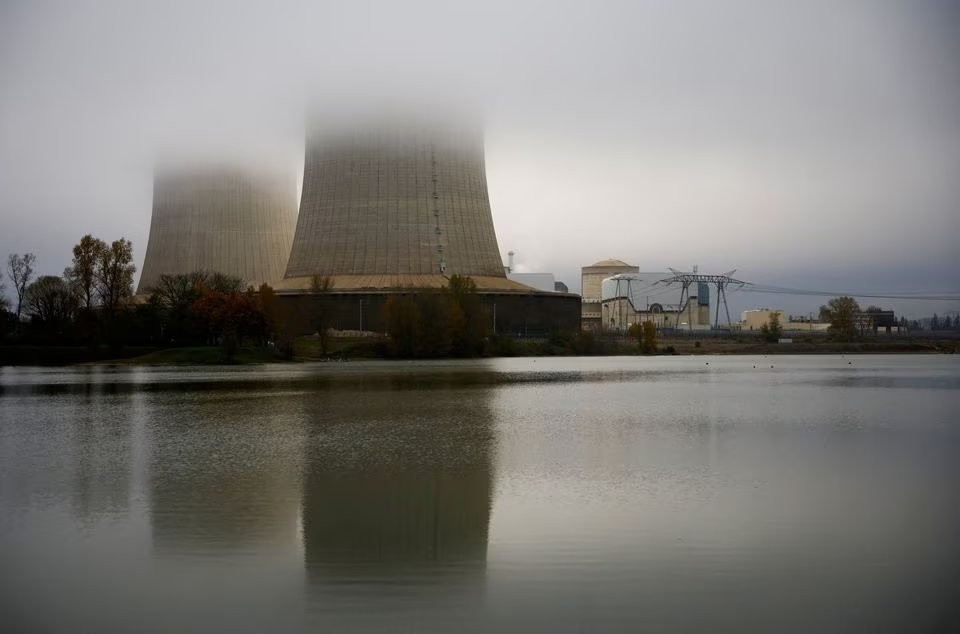
France to Invest €18 Million in Nuclear Fission Research Program
The French National Centre for Scientific Research (CNRS) recently announced the launch of a new scientific research program on nuclear fission. The program will run for six years, from 2026 to 2031, with a total funding of €18 million. Financed by the French government under the France 2030 initiative and coordinated by the French National Research Agency (ANR), the program aims to strengthen the scientific foundation required for the development of current and future nuclear fission technologies. Under the arrangement, approximately half of the funding will be allocated to human resources development, including doctoral and postdoctoral projects; the remaining funds will be directed toward research equipment and infrastructure, covering particle accelerators, experimental reactors, and radiochemistry laboratories, among others....
2026-09-08

Iowa Research Promotes Nuclear Energy Industry Development
The Iowa Nuclear Energy Task Force released a report stating that, leveraging experience in deploying new energy technologies, a strong manufacturing base, workforce conditions, and the Duane Arnold nuclear power plant restart plan, Iowa is well-positioned to play a greater role in the growing nuclear energy industry. NextEra Energy has agreed to restart the Duane Arnold nuclear power plant, primarily to supply power to Google. Image courtesy of NextEra Energy. The task force was established by Iowa's governor in January of this year with the mission of assessing opportunities for advancing nuclear energy technology and infrastructure in the state. The report recommends that Iowa conduct a statewide nuclear energy feasibility study, identify areas suitable for new nuclear project development, and establish a one-stop coordination window to facilitate nuclear project advancement.
2026-09-08

BESSY II reveals early-stage copper oxidation: providing evidence for catalyst development and corrosion research on nuclear waste final disposal containers
Germany's BESSY II synchrotron facility has recently provided new experimental insights into the early-stage oxidation process of copper surfaces. The study shows that before the formation of pure copper oxides, copper and oxygen atoms first form complex surface superstructures, such as "29"CuₓO. The chemical state of such structures has long been debated, and the findings are of reference value for catalyst research as well as for corrosion protection studies of copper containers used for radioactive waste final disposal. Before the formation of pure copper oxide, complex superstructures composed of copper and oxygen atoms emerge—such as "29"CuxO. HZB In everyday environments, copper surfaces gradually lose their red metallic luster and form a greenish oxide layer. This layer structure can slow further corrosion over an extended period. Regarding the initial stages of this process, the core question researchers focus on is: to what extent are copper atoms actually oxidized once oxygen enters the copper surface. Since conventional spectroscopic methods struggle to clearly distinguish between pure copper and partially oxidized surfaces, such oxidation states have previously been difficult to determine directly.
2026-09-07

South Korean research team reveals that water storage capacity of cold subducting slabs has been underestimated using synchrotron radiation sources
A research team led by Professor Yongjae Lee of the Department of Earth System Sciences at Yonsei University in South Korea has recently found that in cold, rapidly descending tectonic subduction zones, crustal rocks may transport up to 1 trillion kilograms of water to the mantle each year—approximately twice the previous estimate. The findings have been published in Nature Communications. Subduction zones are regions where Earth's tectonic plates converge and one plate descends beneath another, often accompanied by volcanic and seismic activity. For a long time, the academic community has generally believed that serpentinite, a water-bearing rock, gradually dehydrates as it descends with the plate due to increasing pressure and temperature, and the released water further promotes melting of the overlying plate and is associated with the formation of volcanic arc chains.
2026-09-07

Japanese Research Uses Tau PET to Reveal Association with Symptom Progression in Progressive Supranuclear Palsy
A research team at the National Institutes for Quantum Science and Technology (QST) in Japan recently announced findings from a study on progressive supranuclear palsy (PSP). Using their self-developed tau PET imaging technology, the researchers conducted follow-up scans on the same group of PSP patients at approximately one-year intervals, confirming for the first time in living brains that the faster tau protein accumulates in the globus pallidus region deep within the brain, the faster patient symptoms progress. The findings were published on September 5, 2026, in the international neurology journal *Movement Disorders*. Characteristic tau protein accumulation regions in PSP Progressive supranuclear palsy is a progressive neurodegenerative disease occurring in middle-aged and older adults, with common manifestations including increased risk of falls, difficulty with movement, eye movement disorders, postural instability, and cognitive dysfunction. There is currently no therapy that can cure or halt disease progression; therefore, establishing biomarkers that can objectively reflect disease changes and treatment efficacy has been a critical issue in drug development. Previous autopsy studies have shown that abnormal tau protein accumulation in the brains of PSP patients is an important pathological feature, particularly concentrated in deep brain regions such as the globus pallidus and midbrain. However, autopsy samples cannot be used for long-term dynamic observation, and how tau protein accumulation changes over time and how it corresponds to symptom progression had previously remained unclear. In recent years, positron emission tomography (PET) has made it possible to observe tau protein in living brains, but existing studies have mainly shown that tau protein increases over time without sufficiently demonstrating a direct association between these changes and symptom worsening. In this study, the research team used the PET radiopharmaceutical 18F-PM-PBB3 developed by QST, namely florzolotau (18F), to perform two PET examinations on 26 PSP patients and 10 healthy controls, conducted at baseline and approximately one year later. The researchers combined 57 brain regions identified by MRI and performed multivariate analysis of PET signal changes to identify PSP-related tau protein accumulation regions and their spread over time. The results showed that at baseline, tau protein in PSP patients was primarily accumulated in subcortical regions such as the globus pallidus and midbrain, consistent with previous reports. Follow-up imaging at one year showed further increases in tau protein accumulation in the globus pallidus, along with marked increases in tau accumulation in the frontoparietal lobes and cerebellar white matter, suggesting that during the course of PSP, tau protein may spread from deep brain regions to the cerebral cortex and cerebellar-related areas. The research team further focused on Richardson's syndrome, the most typical and common subtype of PSP. This subtype typically progresses rapidly, and the 18 patients with this subtype included in this study showed significant increases in PSP rating scale scores within one year. The analysis found that changes in tau protein accumulation in the globus pallidus showed the strongest correlation with the degree of symptom progression; that is, the faster tau protein accumulated in this region, the more pronounced the worsening of patient symptoms. Analyses of individual patients likewise showed that globus pallidus tau protein accumulation can reflect the course of PSP from mild to severe stages. The researchers believe that serial tau PET imaging has the potential to serve as a novel imaging biomarker for assessing PSP disease progression, and also provides a basis for tau-targeted therapeutic strategies: if future therapies can inhibit tau protein accumulation, it may be possible to slow symptom progression. Next steps still require longer-term follow-up in a larger number of patients to validate the relationship between changes in tau protein accumulation and overall symptom progression and treatment response. The imaging assessment method established in this study may not only be used for disease monitoring and clinical trial efficacy evaluation in PSP, but may also be extended to research on other tau protein-related neurodegenerative diseases and dementias, providing new technical support for the diagnosis and therapeutic development of related diseases.
2026-09-07

Digital twins are becoming an important R&D pathway in fusion research
Recently, a new paper reviewed the progress of digital twin technology in fusion research over the past five years and noted that several key gaps remain before a complete digital twin model of a fusion power plant can be achieved. Simulating the movement of tungsten in the plasma core. Copyright: (F. Jenko et al., 2026, *Nuclear Fusion* 66 116014) Digital twins are a class of virtual models that reflect the structure, environment, and behavior of physical systems, and can be used to predict future system states and inform real-world decision-making. In fusion research, as issues in plasma physics, device engineering, and material interactions grow increasingly complex, digital twins are considered promising...
2026-09-07

Japanese research team accelerates muons to 0.3 MeV, taking a step toward the world's only muon accelerator
A research team comprising the J-PARC Center, High Energy Accelerator Research Organization (KEK), the University of Tokyo, Tokai National Higher Education and Research System, Nagoya University, and RIKEN recently completed muon cooling and radio-frequency acceleration experiments in the newly constructed muon acceleration experimental area at the J-PARC Materials and Life Science Experimental Facility, successfully accelerating muons to a kinetic energy of 0.3 MeV, corresponding to approximately 8% of the speed of light. Conceptual diagram of cooling and accelerating positive muon beams. By cooling positive muons with non-uniform direction and velocity, efficient high-frequency acceleration can be achieved. Muons are elementary particles similar to electrons that can be artificially produced by accelerators and are widely used in materials science, particle physics research...
2026-09-07

Kenya seeks IAEA review support to advance nuclear power project by 2034
Kenya is seeking a new round of review and expanded technical support from the International Atomic Energy Agency (IAEA) to advance its long-planned nuclear power program toward construction readiness by 2034. According to relevant meeting briefings, Kenya hopes the IAEA will conduct a Phase 2 Integrated Nuclear Infrastructure Review (INIR) mission in the fourth quarter of 2026, along with support in training nuclear engineers and nuclear scientists. Kenya also plans to leverage the IAEA's 70th General Conference, to be held in Vienna from September 14 to 18, to secure advisory services, skills training, and technical assistance for advancing its nuclear power project and nuclear research reactor construction. Kenya is expected to send a high-level delegation of approximately 30 people...
2026-09-07

Russian Researchers Propose New Method for Preparing Iron-59 Magnetite Nanoparticles, Potentially Advancing Nuclear Medicine Diagnostics and Therapy
Russian researchers have developed a new method for preparing iron-59-labeled magnetite nanoparticles, which is expected to provide a new material preparation pathway for medical applications such as magnetic resonance imaging, single-photon emission computed tomography, and radionuclide therapy. According to reports, researchers from the Vernadsky Institute of Geochemistry and Analytical Chemistry and the Karpov Institute of Physical Chemistry, both under the Russian Academy of Sciences, have proposed synthesizing iron-59 magnetite nanoparticles using the sol-gel method. The relevant findings have been published in the journal Applied Radiation and Isotopes. The sol-gel method is a chemical approach for preparing nanomaterials, with the core process involving the conversion of a liquid colloidal solution into a gel-like network...
2026-09-07

Baiyunshan Xike Visits Jiujiang, Jiangxi to Explore Nuclear Medicine Industry Chain Cooperation
Recently, a delegation from Guangzhou Baiyunshan Xike Health Pharmaceutical Co., Ltd., a subsidiary of Guangzhou Pharmaceutical Holdings Limited (GP Corp.), visited Jiujiang City, Jiangxi Province, conducting field inspections and discussion exchanges in Ruichang City, Jiujiang Economic Development Zone, and Pengze County, focusing on cooperation across the full nuclear medicine industry chain. Liu Hong, Director of the Scientific Research Project Management Department of GP Corp. and Chairman and General Manager of Baiyunshan Xike, led the core team in exchanges with Chen Shuilian, Member of the Party Leadership Group and Vice Mayor of Jiujiang Municipal People's Government, as well as responsible officials from Ruichang City, Pengze County, and Jiujiang Economic Development Zone, reaching multiple consensuses on subsequent cooperation. The inspection covered key facilities including the Ruichang Institute of Nuclear Physics Applications, the Biomedical (Nuclear) Industrial Park in Jiujiang Economic Development Zone, and the Jiangxi Tianhong Nuclear Technology project site in Pengze County. The delegation conducted in-depth visits to research laboratories, industrial parks, and projects under construction to understand local capabilities in nuclear technology research, isotope R&D infrastructure, project construction progress, as well as land and industrial supporting conditions.
2026-09-07

IAEA Meeting Focuses on Data Needs for Ion Beam Analysis, JINR Presents Progress in Nuclear Track Emulsion Research
From August 24 to 28, 2026, the International Atomic Energy Agency held a Technical Meeting on Data Requirements for Ion Beam Analysis in Vienna, Austria, attended by scientists and experts from multiple nuclear physics research institutions. Andrey Zaitsev, Senior Researcher at the High Energy Physics Laboratory of the Joint Institute for Nuclear Research, delivered a report at the meeting, presenting the current performance of nuclear track emulsions and research progress related to the BECQUEREL project. The meeting focused on assessing whether existing nuclear data can meet current and future application needs of ion beam analysis, and discussed new experimental methods, as well as the application of artificial intelligence and machine learning in experiments and data processing. Topics included elastic backscattering cross sections, nuclear re...
2026-09-05

Russian Research Team Synthesizes Novel Metal-Organic Framework Material Capable of Immobilizing Radioactive Cesium
The Frumkin Institute of Physical Chemistry and Electrochemistry of the Russian Academy of Sciences has synthesized a novel metal-organic framework material containing neptunium and cesium atoms. Research shows that this material is insoluble in water, resistant to high temperatures and intense radiation, and can stably "lock" radioactive cesium within its own structure, offering new insights for research on radionuclide immobilization and radioactive waste treatment materials. Metal-organic framework materials are a class of materials with high porosity and controllable crystal structures, whose lattices are typically composed of metal atoms connected by organic molecules. Since their pore sizes and structures can be tuned at the molecular level, these materials can be used to adsorb gases or specific nuclides. However, compared with traditional adsorbents such as activated carbon...
2026-09-04

Russia Says Small Nuclear Power Plants Can Improve Energy Supply in Remote Areas
Russian Deputy Prime Minister and Presidential Plenipotentiary Envoy to the Far Eastern Federal District Yuri Trutnev said on September 3 during the Eastern Economic Forum (EEF) that deploying small nuclear power plants in remote areas of Russia, including the Arctic region, is expected to significantly change the local energy consumption structure and supply methods. Trutnev said that remote areas, especially the Arctic region, have a real demand for stable energy supply, and low-power nuclear power plants can play a role in these areas. He stated that Russia has begun constructing and deploying relevant facilities. Trutnev...
2026-09-04

The Fifth Meeting of 2026 on the Construction of the Nuclear Power Safety and Health Archive System Convened
Recently, the Working Group on the Construction of the Nuclear Power Safety and Health Archive System held its fifth promotion meeting of 2026 and thematic subgroup meetings. Representatives from all member units of the working group and relevant organizations attended the meetings. The meetings discussed the progress of informatization construction, computing resource allocation, data governance and sharing, and R&D of digital and intelligent applications for the nuclear power safety and health archive system. Live demonstrations were conducted on the functional implementation of the health archive information systems on both the regulatory side and across various corporate groups. The achievements in system construction were summarized on a phased basis, existing issues were reviewed, and near-term work tasks were deployed. The meetings noted that the construction of the nuclear power safety and health archive system is an important endeavor in promoting the transformation of nuclear safety management and regulatory mechanisms. At present, data governance has achieved initial results, the data verification mechanism has been effectively implemented, and the development of application scenarios is being steadily advanced, creating conditions for the continued improvement of the system. The meetings required that: first, continue to adhere to a goal-oriented and problem-oriented approach, focus on the fundamental functions of the system, concentrate efforts on further addressing shortcomings in a targeted manner, and steadily advance system construction; second, in light of pilot application results, promptly conduct reviews and summaries, comprehensively identify difficulties, bottlenecks, and weak links, and improve the system's operational effectiveness across the entire process; third, continue to coordinate and advance various tasks including data benchmarking and warehousing, frontline demand research, and scenario development and implementation, making every effort to ensure the high-quality completion of the nuclear power safety and health archive system, thereby contributing to the continuous improvement of the operational safety and construction quality of nuclear power plants in China.
2026-09-04