
Search Results
Keyword:Russian nuclear power

Moscow Cable Company Shield to Supply 4 km of Busbar Trunking for Units 3 and 4 of Leningrad NPP Phase II
Moscow Cable Company (Shield) will supply four kilometers of transmission lines for the Leningrad Nuclear Power Plant. The company will manufacture 10 kV and 24 kV generator voltage transmission lines for Units 3 and 4 of Leningrad NPP Phase II. These transmission lines meet the highest reliability and safety requirements of the nuclear industry and are equipped with current transformers and voltage transformers produced by Cable Shield Company. The transmission lines will be manufactured at the enterprise in the city of Kovrov, where new production capacity for cable trays was built last year. Currently, the plant's annual production capacity reaches 12,000 meters of cable trays. According to statistics, over 400,000 meters of transmission lines produced by the company have been put into operation...
2026-08-04

Rosatom Expects Revenue of $43.2 Billion in 2026
Rosatom expects its revenue to reach $43.2 billion in 2026, driven primarily by new products, international operations, and expansion in nuclear energy, technology, and logistics. The company plans to continue scaling up in the coming years, targeting consolidated revenue of approximately $50.8 billion by 2028, with businesses related to new technologies expected to grow by about 50%. To support this growth target, Rosatom will maintain an investment program exceeding $11.4 billion, focusing on projects that yield the best financial returns. Rosatom is actively implementing cost control and efficiency improvement measures, aiming to increase productivity by 12% annually and achieve a 10% wage increase...
2026-08-03
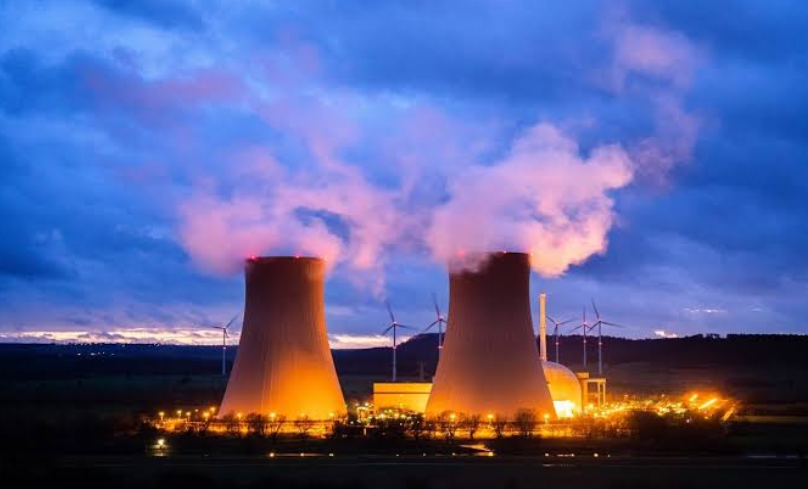
Four new units at India's Kudankulam nuclear power plant delayed by three years, cost overrun of 55% to $14.4 billion
The construction cost of four new units at the Kudankulam nuclear power plant being built by Russia's Rosatom in India has increased by 55% since 2024 due to delays. Each unit has a capacity of 1 gigawatt, and the updated total construction cost has reached 1.38 trillion Indian rupees (approximately $14.4 billion). Among them, the construction cost of Units 3 and 4 has increased by 73%, while the cost of Units 5 and 6 has risen by 40%. Russia had previously provided India with $4.2 billion in state credit for the construction of Units 3 and 4. Indian officials stated that the reasons for the delays include the impact of the COVID-19 pandemic, difficulties in the supply of specific materials and equipment, and problems faced by contractors. Despite...
2026-08-02

Russia Suspends Payments to Nuclear Agency, Redirects Funds to Rosatom
The Russian government has decided to continue suspending membership fee payments to the Nuclear Energy Agency (NEA) under the Organisation for Economic Co-operation and Development (OECD), redirecting the funds to Rosatom, Russia's state atomic energy corporation. According to the latest resolution, approximately 61.3 million rubles (equivalent to nearly $773,500) originally allocated for the 2026 NEA membership fees will be reallocated to Rosatom. This marks the second consecutive year Russia has failed to fulfill its financial obligations to the agency. As early as 2025, Moscow had already ceased paying membership fees, following the suspension of its membership. Russia's membership in the OECD Nuclear Energy Agency was suspended in May 2022, which occurred following the...
2026-08-01

Russia-Brazil Uranium Conversion Cooperation Upgraded, Uranium Processing at Angra NPP Increased by 25%
In June 2026, Russia and Brazil signed an agreement to increase uranium conversion volumes for the Angra nuclear power plant in the South American country by 25%. This move is of strategic significance, as Russian fuel fully guarantees the operation of the country's only nuclear power plant. Russia is a key economic partner of Brazil, a Latin American nation, and one of the five historical founding members of the BRICS group. Brazil accounts for more than 50% of Russia's trade with the region, with bilateral trade volume reaching $10.9 billion by the end of 2025. The two countries are developing technical cooperation, particularly in the nuclear field. In December 2022, they signed a five-year contract to supply...
2026-08-01

Dong Baotong, Vice Minister of Ecology and Environment and Director of the National Nuclear Safety Administration, Led a Delegation to Attend the China-Russia Joint Coordination Meeting on Nuclear Safety
On July 27, at the invitation of the Federal Environmental, Industrial and Nuclear Supervision Service of Russia, Dong Baotong, Vice Minister of Ecology and Environment and Director of the National Nuclear Safety Administration, led a delegation to attend the China-Russia Joint Coordination Meeting on Nuclear Safety. During the meeting, the National Nuclear Safety Administration introduced China's latest progress in always placing nuclear safety at the highest priority, strengthening the building of nuclear safety regulatory forces, improving regulatory functions in key areas, and promoting the adaptation of regulatory capacity to the development of the nuclear industry, under the scientific guidance of Xi Jinping's Thought on Ecological Civilization and the holistic approach to national security; shared China's in-depth participation in global nuclear safety governance, as well as the Integrated Regulatory Review Service of the International Atomic Energy Agency. The Russian side appreciated...
2026-07-31

German state of Lower Saxony approves production of Russian-designed VVER nuclear fuel at Lingen plant under additional strict conditions
The government of Lower Saxony in northwestern Germany has approved a nuclear project linked to Russia's state nuclear corporation Rosatom. The project, operated by French company Framatome, aims to produce Russian-designed nuclear fuel rods and fuel assemblies in the city of Lingen, with key components to be supplied by Rosatom's subsidiary TVEL. Nevertheless, to address potential security risks, particularly threats of espionage and sabotage from Russian participants, the approval was granted with strict conditions. Under the terms of the approval, employees of Rosatom and TVEL will be barred from entering the facility, except in exceptional circumstances and when accompanied by nuclear regulatory authorities. Additionally, all...
2026-07-31

IAEA Training Course for Owner/Operator Organizations of New Nuclear Power Projects Concludes in Russia
On July 30, the Interregional Training Course on the Establishment of Owner/Operator Organizations for New Nuclear Power Projects, jointly organized by Rosatom and the International Atomic Energy Agency (IAEA), concluded at the Rosatom Technical Academy. Eighteen experts from 15 countries in Asia and Africa completed the five-day training. The participants were primarily from national nuclear energy institutions, regulatory bodies, and relevant competent authorities responsible for nuclear infrastructure development in their respective countries. The course focused on the establishment and capacity building of owner/operator organizations for new nuclear power projects, covering topics such as license applications, change management, feasibility study preparation, personnel competency development, organizational structure design, and contract management.
2026-07-31

Vietnam and Russia Join Forces to Accelerate Nuclear Science and Technology Research Center Project
On the afternoon of July 30, Vietnamese Minister of Science and Technology Vu Hai Quan received a delegation led by Ilja Vergizajev, General Director of Rosatom Construction Technology Co., Ltd., a subsidiary of Russia's State Atomic Energy Corporation (Rosatom), in Hanoi. During the meeting, the Vietnamese side put forward three specific requests: accelerating the construction of the Vietnam Nuclear Science and Technology Research Center (CNST); supporting Vietnam in gradually mastering small modular reactor (SMR) technologies; and training human resources for Vietnam in the fields of atomic energy, radiation, and nuclear safety. Both sides confirmed that nuclear cooperation holds strategic significance and has long been a focus of high-level attention between the two countries. The CNST has been defined by the Vietnamese side as a...
2026-07-31
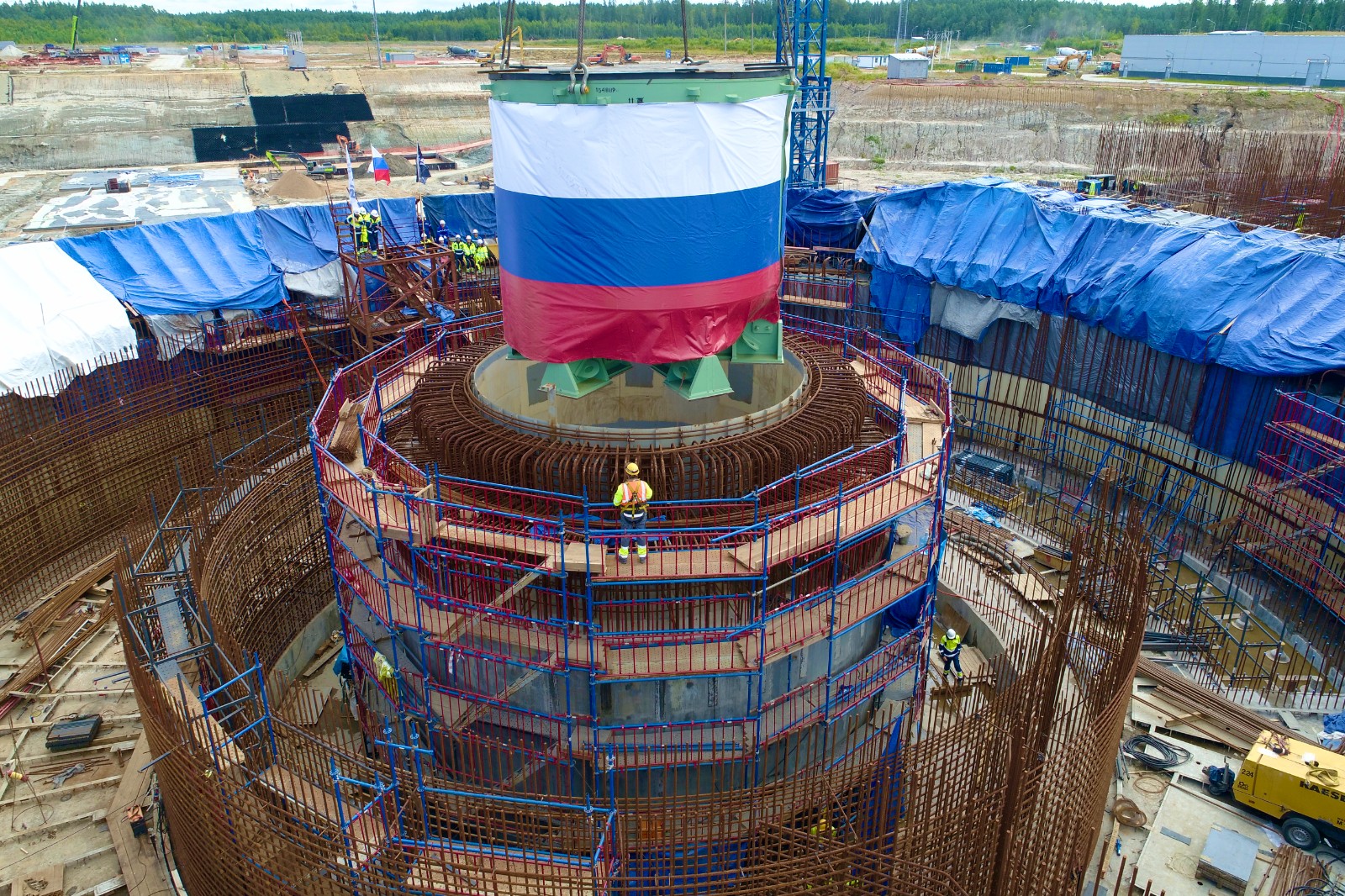
Unit 4 of Leningrad NPP Phase II completes installation of first major equipment
Unit 4 of Russia's Leningrad NPP Phase II recently completed the installation of the core melt catcher vessel. This is the first major equipment of the unit to enter the installation stage, and also the first passive safety system equipment to be installed. The steel structure weighs 157 tonnes, and the installation was carried out using a heavy crawler crane, taking about one work shift of approximately 8 hours, nearly 3 months ahead of the original schedule. Valery Zhemchugov, Acting Director of Leningrad NPP, stated that the installation of the core melt catcher vessel is a key milestone in the construction of Unit 4, a VVER-1200 pressurized water reactor unit, and that the relevant work was completed in accordance with quality requirements, providing more time for subsequent reactor building civil and installation works.
2026-07-31

Russia says its nuclear power plant designs can adapt to construction requirements in seismically active regions
On June 25, Dmitry Ivanov, Chief Engineer of the Atomenergoproekt Integrated Design Institute under the engineering division of Rosatom, stated that Rosatom incorporates seismic requirements into its nuclear power plant designs, enabling relevant units to be constructed and operated in seismically unstable regions. Ivanov noted that Rosatom is currently building or overseeing the construction of nuclear power plants in Russia as well as in India, Bangladesh, Hungary, Egypt, Turkey, and Iran. The seismic impacts faced by different project sites vary, with some regions potentially experiencing higher seismic intensity. Drawing on experience from past projects, the company implements corresponding seismic resistance into nuclear power plant designs in accordance with regulatory document requirements to ensure safe plant operation.
2026-06-26
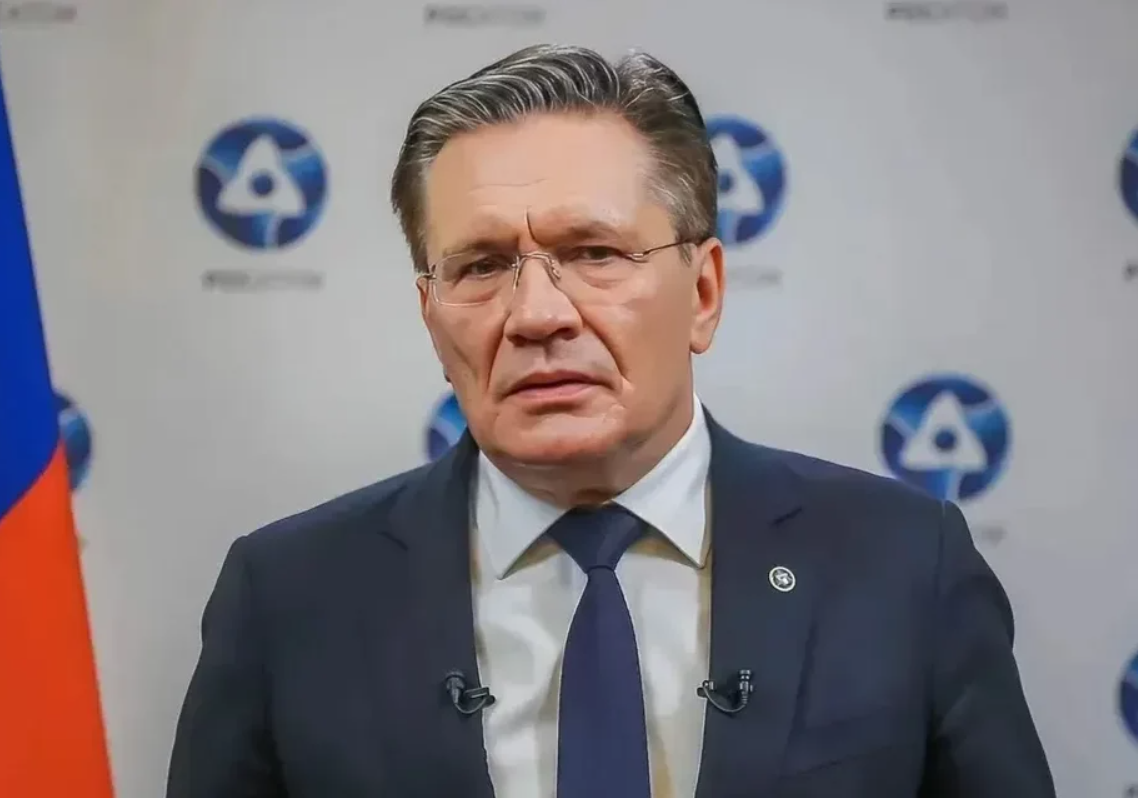
Rosatom Says Small Nuclear Power Development Requires Regulatory Reform
Rosatom Director General Alexey Likhachev said on July 5 that if Russia hopes to maintain its global leadership in the small nuclear power market, nuclear regulations and standards also need to keep pace with technological changes, particularly by revisiting the licensing and approval process for small nuclear power plants. In an article published in the Rosatom Corporate Newspaper, Likhachev stated that small nuclear power plants are expected to become a significant new form of energy in the coming decades, but their deployment still faces considerable regulatory challenges. Due to the relative novelty of such facilities to regulators, approval approaches tend to be cautious. He believes that accelerating the licensing and construction process while ensuring safety has become a task of national importance.
2026-07-06

Russia says all countries have the right to develop peaceful uses of nuclear energy
Russian Presidential Press Secretary Dmitry Peskov stated that Russia has always believed that any country should enjoy the right to develop peaceful uses of atomic energy, and Iran, Saudi Arabia, and other countries are no exception. Earlier on July 23 local time, the U.S. Department of Energy announced that it had signed a civil nuclear energy cooperation agreement with Saudi Arabia. The agreement will also be submitted to the U.S. Congress for review. In response to a reporter's question, Peskov said that Russia's position on the peaceful use of atomic energy and the development of peaceful nuclear energy is "well known." He stated that Iran should have this right, and Saudi Arabia and other countries should also have this right....
2026-07-24

Russian flaw detection robots to be deployed for the first time at Egypt's El Dabaa NPP
Engineers from Russia's Ural Atomenergo and the Atomic Energy Non-Destructive Testing Center (NDTC) have developed an automated metal non-destructive testing system, which includes specialized inspection devices for reactor pressure vessel equipment. The system will be sent to Egypt's El Dabaa Nuclear Power Plant for related equipment inspection. This is also the first deployment of such a standardized system at a nuclear power project outside Russia. The system consists of multiple robotic arms and a magnetic wheeled robot, capable of delivering ultrasonic flaw detection sensors and measuring devices to positions that are difficult for humans to access. The developer stated that the main goal of the system is to replace manual operations in high-radiation areas, reducing the risk of personnel entering hazardous zones for inspection tasks.
2026-07-30
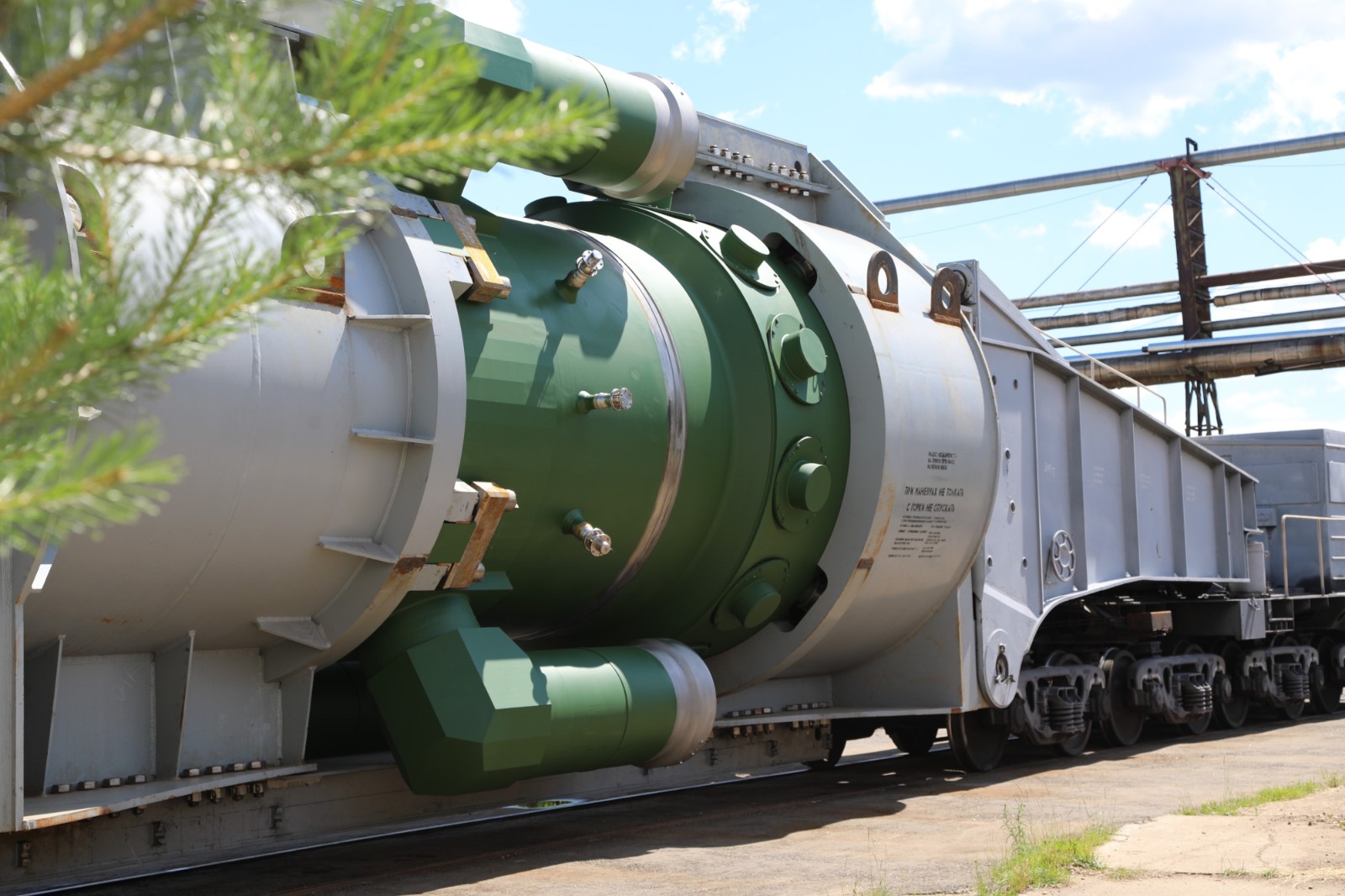
Russia Completes Manufacturing of Second RITM-200 Reactor Unit for Leningrad Nuclear-Powered Icebreaker
On July 29, Rosatom's ZiO-Podolsk Mechanical Plant in the Moscow Region completed the manufacturing of the second RITM-200 reactor unit for the Leningrad nuclear-powered icebreaker. With this, the manufacturing of all major equipment for the reactor compartment of this under-construction 22220-type universal nuclear-powered icebreaker has been fully completed. The Leningrad nuclear-powered icebreaker began construction in January 2024. The naming of the vessel is linked to the 80th anniversary of the lifting of the Siege of Leningrad, with veterans and survivors of the siege proposing that this new-generation nuclear-powered icebreaker be named Leningrad. Following Rosatom's tradition of naming reactor units, the two completed reactor units of the Leningrad have been named "Iskra" and "Grom," commemorating the operations that broke and ultimately lifted the Siege of Leningrad between 1943 and 1944.
2026-07-30