
Search Results
Keyword:River
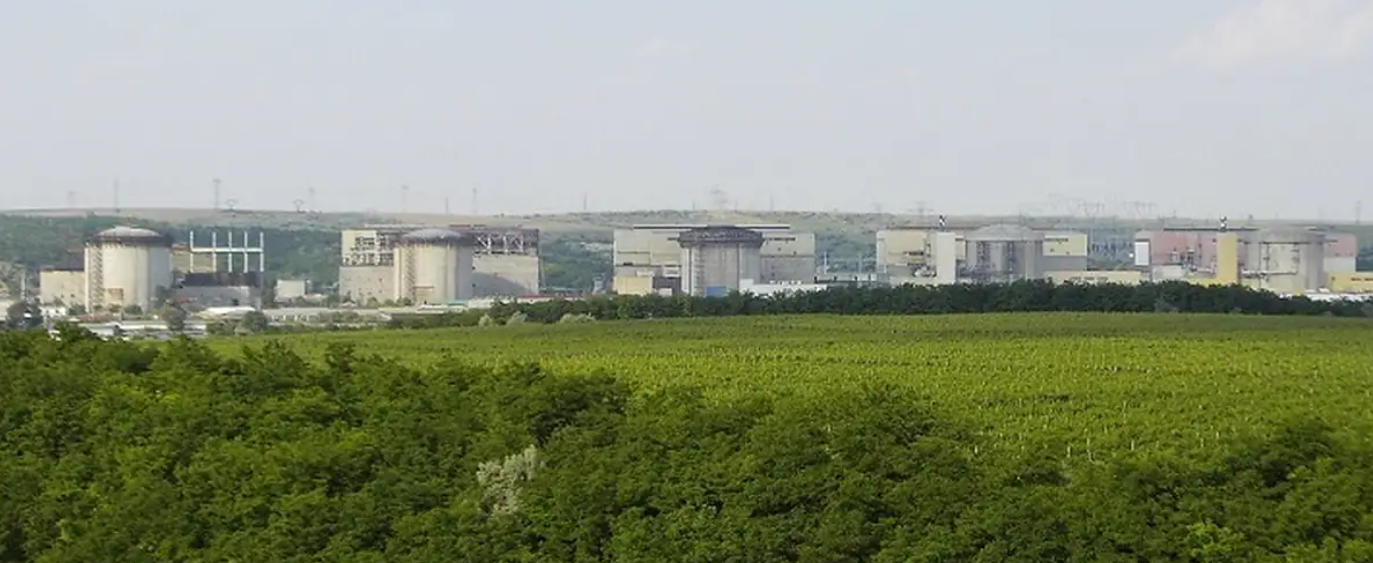
Cernavoda Nuclear Power Plant Fully Shut Down Due to Falling Danube River Water Levels
Due to the continuous decline of the Danube River water level, the two units of Romania's only nuclear power plant, the Cernavoda Nuclear Power Plant, have been successively shut down. To alleviate the pressure on electricity supply, Unit 4 of the Rovinari coal-fired cogeneration plant has been put into operation, adding approximately 330 megawatts of generating capacity to Romania's power system. Romania's nuclear power company (Nuclearelectrica) previously reported that due to the sharp decline in the Danube River water level, which affected the assurance of cooling water for the reactor, Unit 2 of the Cernavoda Nuclear Power Plant was shut down in a controlled manner on the morning of August 13. The company stated that the shutdown process was carried out in accordance with procedures. At the end of July this year, Unit 1 of the Cernavoda Nuclear Power Plant had already been shut down for the same reason...
2026-08-19

Bulgaria's Kozloduy NPP Addresses Challenges of Low Danube River Water Levels
Bulgaria's Ministry of Energy stated on August 16 that the Kozloduy NPP is currently operating as planned. In response to the persistently rare low water levels in the Danube River, the plant has further studied and implemented preventive arrangements based on existing technical and organizational measures to ensure stable unit operation under complex hydrological conditions. The Bulgarian Ministry of Energy stated that the Kozloduy NPP has established a dedicated working group to evaluate various options for ensuring the plant's normal operation, with a focus on facilities related to the riverbank pumping station. The working group is continuously optimizing the riverbank pumps, reactor unit cooling systems, spent fuel storage facilities, and the overall water...
2026-08-17
Unit 2 of Romania's Cernavodă Nuclear Power Plant shut down for at least 10 days due to falling Danube River water levels
Romeo Urjan, head of Romania's Cernavodă Nuclear Power Plant, said that due to the continuous decline of Danube River water levels, Unit 2 of the plant has been shut down since August 13 for at least 10 days. Romania's Ministry of Energy stated on August 12 that Unit 2 of the Cernavodă Nuclear Power Plant required a temporary shutdown. As planned, the shutdown operation began on the morning of August 13 and was completed before noon that day. Urjan stated that Danube River water levels are expected to continue declining over the next 10 days, so the plant currently has no plans to restart Unit 2. He emphasized that this shutdown is unrelated to nuclear safety issues or emergencies, with the main reason being...
2026-08-14

Rising River Water Temperatures in Europe Constrain Nuclear Power Operations, Poland's First Nuclear Power Plant Turns to Baltic Sea for Cooling Water
Persistent high temperatures, droughts, and low river water levels across Europe are turning nuclear power plant cooling issues from a purely engineering topic into a real risk affecting the stability of electricity supply. Experience in countries such as France and Switzerland shows that when river water temperatures are too high or flow rates are insufficient, nuclear power plants—even with generating capacity available—may be forced to reduce output or temporarily shut down due to environmental restrictions. In 2022, France's nuclear power generation fell by 22% year-on-year, and during recent summer heatwaves, rising water temperatures in rivers such as the Seine and the Rhône have repeatedly led to restrictions on related units. The core of this issue is not just whether there is enough water, but also whether the water is cold enough. Traditional river-dependent cooling systems...
2026-08-13
Romania's Cernavoda Nuclear Power Plant to Shut Down Due to Falling Danube River Levels
Romania's Ministry of Energy announced on the 12th local time that, due to current hydrological conditions, Unit 2 of the Cernavoda Nuclear Power Plant will undergo a controlled shutdown starting on the 13th. Cernavoda is Romania's only nuclear power plant, and this shutdown will mark the first time the plant has been completely taken offline since 2003. The Cernavoda plant has two units, with Unit 1 already shut down at the end of last month. The plant accounts for approximately one-fifth of Romania's electricity generation. Romanian authorities had previously taken engineering measures to delay the shutdown of Unit 2, including dredging relevant sections of the Danube River, blasting and removing underwater rock obstacles, clearing the riverbed, and sinking barges loaded with crushed stone into the river channel to adjust water flow conditions. These operations involved an investment of over 2 million euros.
2026-08-13

Two Units of Kozloduy NPP Operating at Full Capacity as Scheduled
As of 13:00 on August 11, 2026, the two units of Kozloduy Nuclear Power Plant continue to operate at full capacity in accordance with the power generation schedule. The plant's operating team maintains continuous watch to ensure the safe and stable operation of the relevant facilities. To guarantee the water volume required for the circulating pump station and the technical water cooling system, the plant has implemented technical and organizational measures under existing conditions to maintain the operation of the shore pump station. The technical condition of the relevant facilities requires ongoing attention, and operational parameters are being continuously monitored on site. To optimize water intake conditions, the plant needs to clean the riverbed between the Danube River and the shore pump station. The operation of the shore pumps is being monitored, with flow regulated by adjusting the blade angles; if necessary, further...
2026-08-12

Flammable Gas Analysis Completed for Legacy Transuranic Waste Containers at U.S. Savannah River Site
AIKEN, South Carolina — The Solid Waste and Deactivation and Decommissioning team at Savannah River Nuclear Solutions (SRNS) recently completed a critical task, performing flammable gas analysis on multiple legacy high-dose-rate transuranic (TRU) waste containers. The results confirmed that these containers meet safety requirements for shipment to an underground waste disposal facility. Following this analysis, the U.S. Department of Energy Office of Environmental Management will resume shipments of remote-handled transuranic waste drums from the Savannah River Site (SRS) to the Waste Isolation Pilot Plant (WIPP) in New Mexico for permanent disposal. Flammable gas sampling is an important safety step prior to the transportation and disposal of transuranic waste. Workers...
2026-08-11

UK PhD Students Travel to Canadian Nuclear Laboratories for Hands-On Nuclear Energy Training
On August 10, 2026, Canadian Nuclear Laboratories (CNL) welcomed its first cohort of PhD students from the United Kingdom. The visit is part of a five-year collaboration with the UK's Skills and Training Alliance for a Nuclear Renaissance Centre for Doctoral Training (SATURN CDT), marking the launch of a new long-term partnership in the international development of nuclear energy talent. SATURN CDT is funded by the UK's Engineering and Physical Sciences Research Council (EPSRC) and led by the University of Manchester, in partnership with seven UK universities. The program aims to provide the next generation of nuclear energy professionals with hands-on training beyond the classroom...
2026-08-11

U.S. National Nuclear Security Administration Extends Savannah River Site Management and Operating Contract to September 2027
The U.S. Department of Energy's National Nuclear Security Administration (DOE/NNSA) announced on August 10 that it has exercised the remaining option on the Savannah River Site (SRS) Management and Operating contract with Savannah River Nuclear Solutions, LLC, extending contract performance through September 30, 2027, with an estimated contract value of $2.3 billion. NNSA stated that exercising this remaining option will help maintain continuity and stability of the contractor workforce, allowing related work to continue advancing around the agency's critical missions. The current SRS Management and Operating contract was originally scheduled to expire on September 30, 2026...
2026-08-11

After only 4 days of restart, Unit 2 of France's Golfech Nuclear Power Plant shut down again due to Garonne River water temperature approaching limit
On the evening of August 8, French utility EDF (Électricité de France) once again shut down Unit 2 of the Golfech Nuclear Power Plant, just four days after the unit had been restarted. The direct cause of this shutdown was that the water temperature of the Garonne River was expected to reach 28°C on August 9, hitting the local operational limit. Since Unit 1 had already been taken offline for maintenance and fuel replacement, the closure of Unit 2 left both reactors at the Golfech plant simultaneously out of service, with the station temporarily ceasing power generation. Located in the Tarn-et-Garonne department of France, the Golfech Nuclear Power Plant was commissioned between 1991 and 1994, and features two 1,300 MW pressurized water reactor units. It draws cooling water from the Garonne River and dissipates heat through natural-draft cooling towers. According to EDF dat...
2026-08-10

U.S. NRC to Debut Modernized Hearing Process in Advanced Reactor Licensing Review for the First Time
The U.S. Nuclear Regulatory Commission (NRC) will hold a public hearing on August 13 in Oak Ridge, Tennessee, to consider the Tennessee Valley Authority's (TVA) application to build a small modular reactor at the Clinch River site. This will mark the first time the NRC applies its modernized mandatory hearing framework in an advanced reactor licensing review. According to the NRC, the new hearing process is designed to give the public earlier insight into the agency's review of the project's safety and environmental impacts, while improving the transparency, predictability, and efficiency of licensing reviews. As part of its licensing modernization efforts, the NRC currently aims to complete construction permit-related decisions within 18 months. TVA plans to...
2026-08-07

Krško Nuclear Power Plant to Reduce Power Output Due to Sava River Water Temperature Pressure
The Krško Nuclear Power Plant (Krško NPP) announced that, due to persistent abnormal hydrological and meteorological conditions in the Sava River, it will begin gradually reducing reactor power from the evening of August 6 to prevent river water temperatures from exceeding environmental standards. In the first phase, the unit's power output will be reduced to 80% of its maximum generating capacity. The plant stated that this power reduction is a planned, controlled, and temporary measure aimed at ensuring the Sava River water temperature remains within permissible limits. Relevant environmental standards stipulate that the daily average water temperature must not exceed 28 degrees Celsius, and the temperature increase of the river water caused by the plant's operation must not exceed 3 degrees Celsius. The management of the Krško Nuclear Power Plant also stated...
2026-08-06
Romania postpones sinking barges to guide water flow, safeguarding cooling water supply for Cernavodă Nuclear Power Plant
Romania has recently taken emergency measures to address the impact of the persistently declining Danube River water level on the water supply to its nuclear power plant. On August 5 local time, Romanian authorities stated that four barges would be sunk in the Danube River to guide water flow into the water intake channel related to the cooling water supply of the Cernavodă Nuclear Power Plant. Cernavodă is Romania's only nuclear power plant. Affected by drought and the low water level of the Danube, the plant's water intake conditions are under pressure. On August 3, the Romanian military used approximately 180 kilograms of explosives to blast and clear a rock formation in the Danube riverbed, aiming to improve the water flow channel, ensure the cooling water source for units in operation, and prevent the nuclear units from being forced to shut down due to insufficient water supply...
2026-08-06
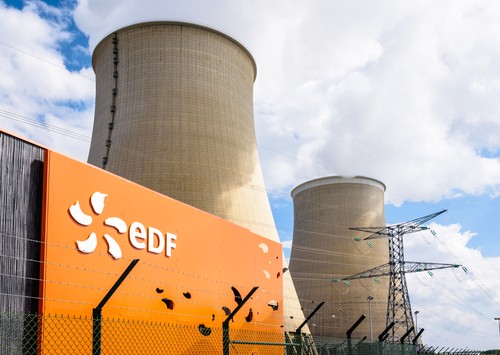
France's drought lowers river water levels, EDF shuts down three nuclear reactors
Affected by drought weather, water flows in France's Meuse and Moselle rivers have declined, and Électricité de France (EDF) has shut down three nuclear reactors in northeastern France. As of the afternoon of August 3, Units 1 and 2 at the Chooz Nuclear Power Plant in the Ardennes department, as well as one unit at the Cattenom Nuclear Power Plant in the Moselle department, remained offline. EDF shut down Unit 1 at the Chooz plant on Saturday evening to comply with the Meuse River management agreement signed between France and Belgium in 1998. Under the same agreement, Unit 2 at the Chooz plant has been offline since July 11. EDF stated that the agreement allows for adjustments to power generation arrangements based on hydrological conditions to safeguard water usage for users along the Meuse River in both France and Belgium.
2026-08-05
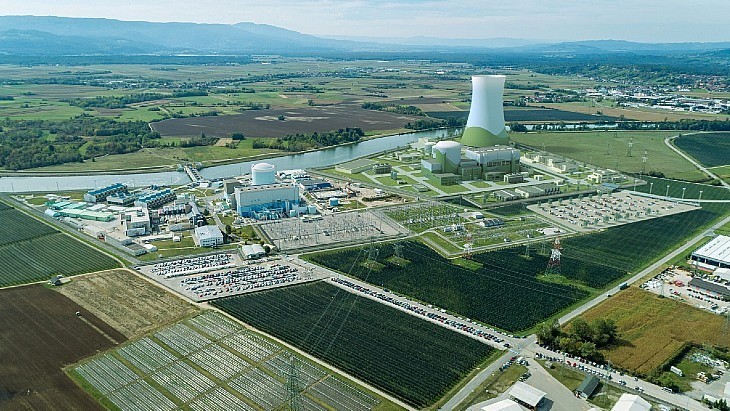
Krško Nuclear Power Plant Operates at Full Capacity; Low Sava River Water Level May Affect Unit Output
Slovenia's Krško Nuclear Power Plant continues to operate at full capacity, but due to low water levels and elevated water temperatures in the nearby Sava River, a reduction in reactor power cannot be ruled out in the future. The plant stated that it is utilizing its cooling tower system and operating in compliance with environmental restrictions related to the Sava River. Due to insufficient recent precipitation, the Sava River's water level remains low, and river water temperatures are also staying in a higher range. Plant management also noted that increased cooling demands have already had a certain impact on the unit's power generation efficiency. Krško Nuclear Power Plant has notified relevant authorities in Slovenia and Croatia that if environmental restrictions are further tightened, it may be necessary to...
2026-08-05