
Search Results
Keyword:River
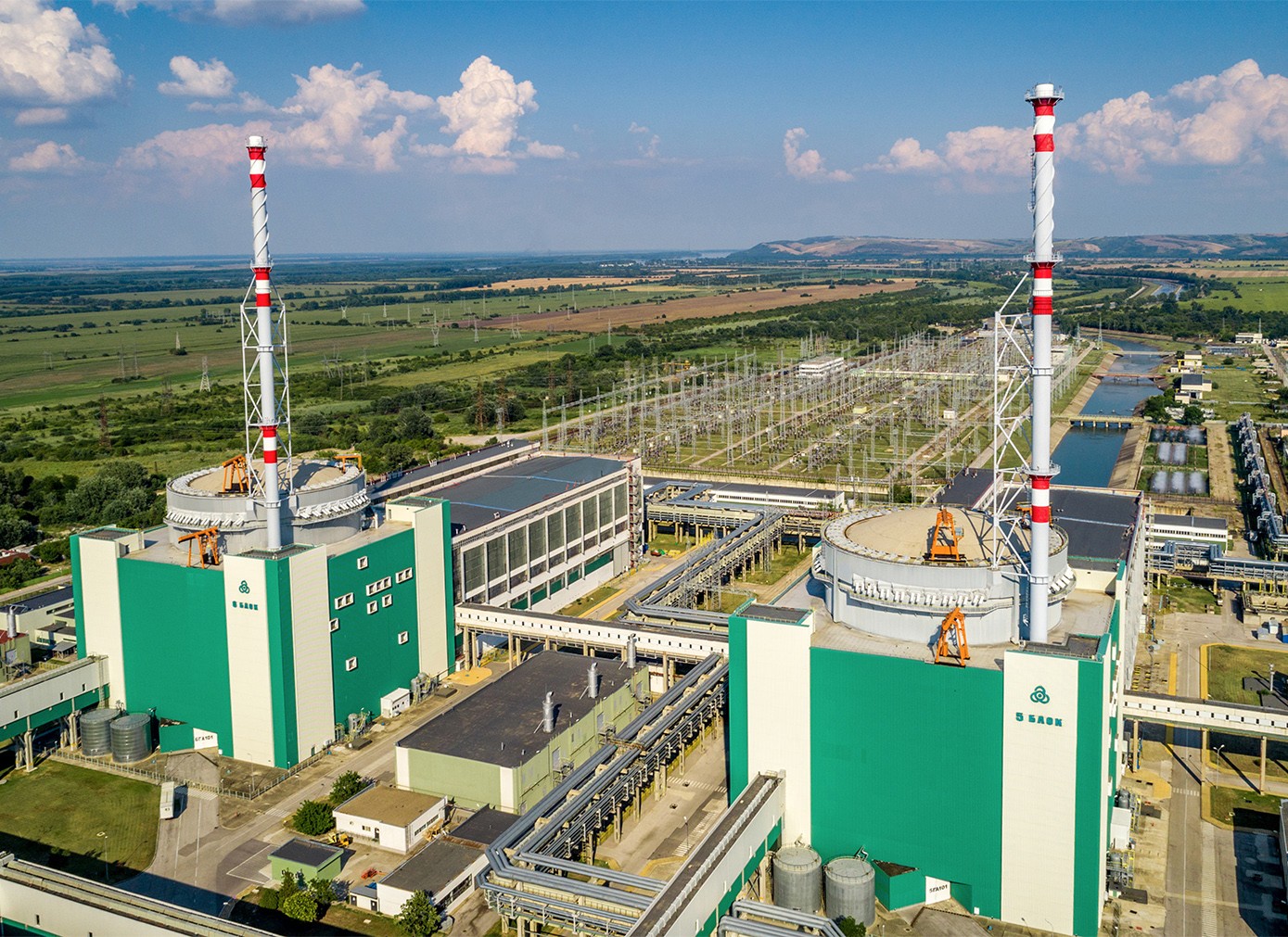
Bulgarian Energy Minister: Kozloduy NPP Implements Preventive Power Reduction Due to Continuous Decline in Danube River Water Levels
Bulgarian Energy Minister Iva Petrova confirmed on October 7, 2026, at a meeting of the parliamentary energy committee that the recent unit output reduction at the Kozloduy NPP was a preventive technical measure to ensure nuclear safety. Due to the continuous decline in Danube River water levels, the nuclear power plant synchronized a power reduction operation on Tuesday for the two operating nuclear units to ensure the stability and safety of the secondary-side cooling water circulation system. Petrova stated that in response to the impact of the Danube River's dry season on the nuclear power plant's water intake structures, the government and the power sector are actively seeking fundamental engineering technical...
2026-10-08

US Nuclear Regulatory Commission Poised to Approve TVA's First BWRX-300 Reactor
According to reports, the US Nuclear Regulatory Commission (NRC) is expected to approve on Tuesday the Tennessee Valley Authority's (TVA) construction of the first 300-megawatt BWRX-300 reactor at the Clinch River site in Tennessee. TVA is considering deploying up to four units, and this license covers only the first unit. This license is a construction permit and does not yet mean the unit can enter commercial operation. It is understood that the BWRX-300 is a Small Modular Reactor (SMR) that uses Boiling Water Reactor (BWR) technology, with a single-unit electrical output...
2026-09-29
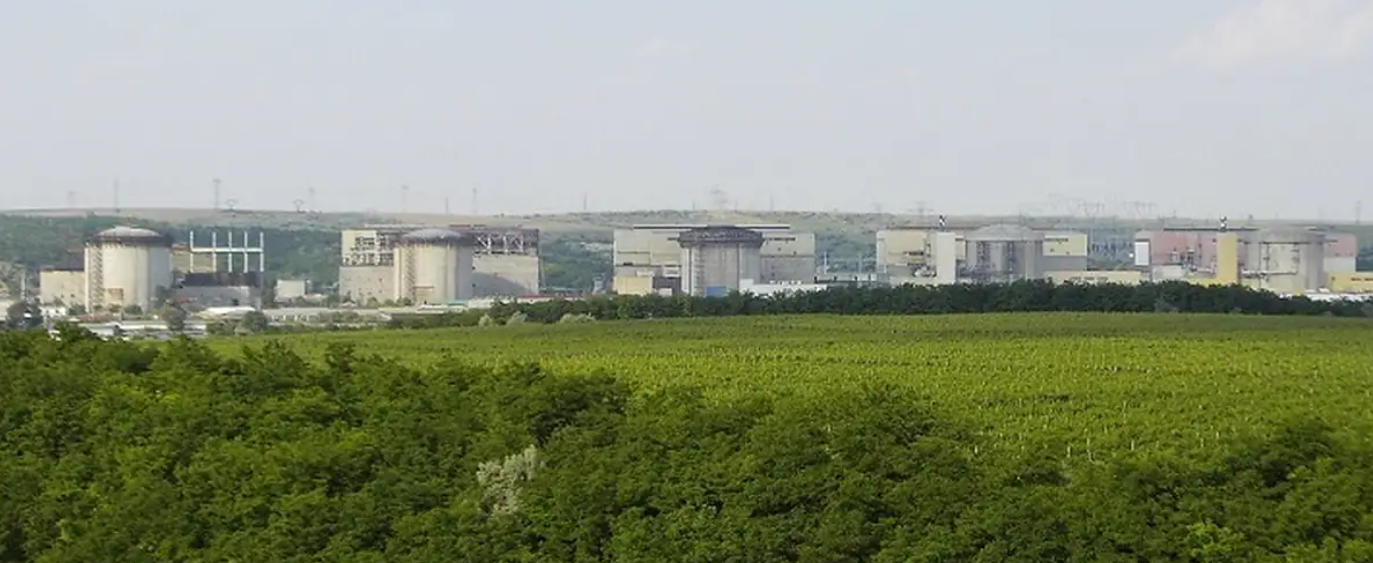
Romania's Cernavoda Nuclear Power Plant to Remain Offline Until at Least September 18 Due to Low Danube River Levels
On September 8, Romania's Cernavoda Nuclear Power Plant was expected to remain offline until at least September 18 due to low water levels in the Danube River. Emil Macovei, Technical Director of Nuclearelectrica, the operator of the Cernavoda plant, stated that over the next 10 days, the Danube's water volume would still be insufficient to support the restart of either of the plant's two units. Romania's Antena 3 television channel quoted him as saying that current hydrological conditions do not yet meet the requirements for unit operation. Cristian Busoi, Secretary of State at Romania's Ministry of Energy, said that predictions regarding the plant's restart timeline were "rather optimistic," and the ministry is currently unable to provide a definitive date for resuming operations. He confirmed that...
2026-09-09

Unit 5 of Bulgaria's Kozloduy NPP Raises Power Output to 950 MW
At 10:00 on August 31, 2026, Unit 5 of Bulgaria's Kozloduy NPP (Kozloduy Nuclear Power Plant) began a phased increase in power output as scheduled. By 17:00 that day, the unit's power output had risen to 950 MW. In the preceding days, the Danube River water level in Bulgaria had recovered, and the plant proceeded accordingly to resume normal unit operation. Kozloduy NPP stated that the operating team continues to carry out relevant work to ensure the safe and reliable operation of the nuclear unit. In response to changes in river water levels, the plant continuously monitors the Danube River water level and maintains communication with the Danube Research and Maintenance Executive Agency to promptly track water level trends. At the same time, the plant strictly implements long-term low-water emergency procedures, conducts continuous monitoring of hydraulic structures in the technical water supply area, and takes necessary measures to ensure the effective operation of relevant facilities.
2026-09-01

Swiss Beznau Nuclear Power Plant Fully Resumes Operation After Shutdowns
Swiss energy company Axpo stated that the Beznau nuclear power plant, which had been temporarily shut down several times due to multiple heatwaves this summer, has now fully resumed operation. Located in northern Switzerland, the Beznau nuclear power plant uses water from the Aare River for cooling. Recently, many parts of Europe have experienced high temperatures, causing abnormally elevated water temperatures in the Aare River, which led to temporary shutdowns of the plant in June and July. The Aare River basin covers nearly half of Switzerland, with the river eventually flowing into the Rhine. Axpo stated that Unit 1 of the Beznau nuclear power plant resumed operation on August 21; Unit 2, after completing refueling and overhaul, was reconnected to the grid on Thursday and is currently gradually increasing output, expected to reach full power in approximately two days...
2026-08-29

3D Systems Collaborates with Savannah River National Laboratory to Advance 3D Printing in Nuclear Energy Systems
3D Systems Corporation of the United States announced on August 27 that it has signed a Cooperative Research and Development Agreement (CRADA) with Savannah River National Laboratory (SRNL), under which the two parties will conduct joint research and development on additive manufacturing technology to advance its application in advanced energy production, nuclear energy systems, energy infrastructure resilience, and related mission scenarios. Under the agreement, the two parties will leverage SRNL's Advanced Manufacturing Collaborative (AMC) to advance work in advanced materials development, equipment upgrades, AI and machine learning-assisted process optimization, manufacturing systems, cybersecurity, and workforce development. Collaboration goals include developing next-generation additive manufacturing materials, real-time process optimization tools, and scalable production solutions...
2026-08-28

Bulgarian Environmental Groups Demand Public Review of Water Engineering Project Near Kozloduy Nuclear Power Plant
WWF Bulgaria has called for the prompt public disclosure of the technical plans and final design selection for the proposed hydraulic structures near the Kozloduy Nuclear Power Plant, as well as for public discussions to be organized before construction work begins in the Danube riverbed. The organization stated that the purpose of the proposed project is to raise local water levels during prolonged droughts and historically low Danube water levels, ensuring the stable operation of the Kozloduy Nuclear Power Plant's cooling system. The organization has sent an open letter to Bulgaria's Minister of Energy, Minister of Transport and Communications, and Minister of Environment and Water, raising these demands. WWF Bulgaria noted that the Danube is an international waterway, and any engineering intervention involving the riverbed requires careful assessment of environmental, socio-economic, hydro-morphological, and transboundary impacts. Given the complexity of the factors involved in the project, relevant analyses, model results, and design justifications should be made public in a timely manner and subjected to transparent public discussion.
2026-08-27

MIIT: Promote Future Industries Including Nuclear Fusion Energy as New Growth Drivers
The State Council Information Office held a press conference on August 26, where the Ministry of Industry and Information Technology (MIIT) briefed on efforts to fully implement the 15th Five-Year Plan and accelerate new industrialization. The MIIT stated that over the next five years, it will focus on optimizing the industrial structure, coordinating the transformation and upgrading of traditional industries, nurturing and strengthening emerging industries, and making forward-looking arrangements for future industries, while maintaining and developing a complete industrial system. In terms of future industry layout, the MIIT proposed promoting quantum technology, biomanufacturing, hydrogen energy and nuclear fusion energy, brain-computer interfaces, embodied intelligence, and sixth-generation mobile communications as new economic growth drivers. The inclusion of nuclear fusion energy in future industry directions reflects its important position in new industrialization and the cultivation of strategic emerging industries.
2026-08-27

Fifth Mega Saltstone Disposal Unit Approved for Operation at U.S. Savannah River Site
The U.S. Department of Energy Office of Environmental Management announced on August 25 that it has approved the operation of the fifth mega saltstone disposal unit at the Savannah River Site in Aiken, South Carolina. Designated as SDU 10, the facility will receive purified material for final disposal, marking a new milestone in the site's cleanup program. According to reports, SDU 10 completed construction in June 2024, nearly 10 months ahead of schedule. Its leak-tightness testing was completed in December 2025, and the test results verified that the unit can safely store up to 33 million gallons of purified, solidified salt solution generated at the Savannah River Site. Saltstone disposal units are the end-stage facilities in the salt waste treatment process.
2026-08-26

Three units at Hungary's Paks Nuclear Power Plant return to full-capacity operation
Of the four units at Hungary's Paks Nuclear Power Plant, three have returned to full-capacity operation, and grid connection work for Unit 4 is also progressing as planned. Hungarian authorities stated that all eight pumping systems at the plant are now in operation, with total generating capacity expected to approach 2,000 megawatts within two days. Previously, three units at the Paks plant were temporarily shut down due to declining water levels in the Danube River, which serves as a vital water source for the plant's cooling system. To improve water intake conditions, Hungary constructed a temporary weir in the river section near the Paks plant, using thousands of tons of rock and crushed stone during construction, with military engineering units also participating in the operations. The Paks Nuclear Power Plant is located approximately 100 kilometers south of Budapest on the banks of the Danube...
2026-08-25

Preventive Power Reduction of Unit 5 at Bulgaria's Kozloduy NPP
Bulgarian Energy Minister Iva Petrova stated in Sofia on August 21 that due to the persistently low water level of the Danube River, Unit 5 of the Kozloduy Nuclear Power Plant (Kozloduy NPP) has undergone a preventive reduction in power generation of approximately 120 MW, but the plant is currently not in a crisis situation. The unit has an installed capacity of slightly over 1,000 MW. Petrova said that the power reduction is a preventive measure within the plant's action plan for responding to the declining Danube water level, and the current situation is under control. She noted that if the water level continues to drop, Unit 5 may require further power reduction. At present, the plant has established an internal working group to continuously monitor hydrological changes. The situation is...
2026-08-22
Bulgaria's Kozloduy NPP Reduces Power Output Due to Falling Danube River Levels
Bulgaria's Ministry of Energy stated that due to the sustained decline in the Danube River water level, Unit 5 of the Kozloduy NPP will reduce its power output by 120 megawatts starting August 21 to mitigate potential operational risks. The Ministry said in a statement that reducing reactor power is one of the measures to ensure the safe operation of the Kozloduy NPP, citing a sustained, abnormal, and rapid decline in the Danube River water level. The Danube River water level within Bulgaria is currently still on a downward trend. It is noted that this is the first time in the 52 years since the Kozloduy NPP was commissioned that its generating capacity has been reduced for such reasons. The plant uses Danube River water to cool the steam in the condensers of the conventional island, with water intake completed by dedicated pump stations located on the riverbank.
2026-08-21

Slovenia's Krško Nuclear Power Plant Returns to Full Power Operation
On the evening of August 18, 2026, as meteorological conditions further improved, temperatures dropped, and river water temperatures declined, the Krško Nuclear Power Plant (NEK) increased reactor power to 100%, resuming full-load operation. During full-power operation, the plant will keep the entire cooling tower system in service to ensure compliance with relevant environmental limits and reduce the need for water withdrawal from the Sava River for cooling the plant's tertiary circuit. Previously, due to environmental restrictions related to the Sava River, the Krško Nuclear Power Plant reduced unit power to 80% on August 6, 2026. On August 14, following preliminary improvements in meteorological conditions, plant power was increased to 90%. Under the special operating conditions of this summer, when...
2026-08-20

Danube Water Levels Recover, Paks Nuclear Power Plant Expected to Resume Full-Capacity Operation
According to Hungarian sources on August 19, Peter Magyar stated that due to the recovery of Danube water levels, the Paks Nuclear Power Plant is expected to resume full-capacity operation by next weekend. Magyar noted that starting from Friday, August 28, the Paks Nuclear Power Plant will be ready for full-capacity operation. The recent rise of 15 to 20 centimeters in Danube water levels has created conditions for the plant to restore its output and has also eliminated the need for operators to shut down turbines again. Relevant experts plan to restart the turbines that have not yet resumed operation as soon as possible. Previously, due to historically low Danube water levels, the operation of the Paks Nuclear Power Plant, which relies on river water for cooling, was affected, and the plant's output once dropped to approximately 10% of full capacity.
2026-08-20

U.S. Laboratory Advances Nuclear Waste Cleanup Technology R&D with Artificial Intelligence
Researchers in South Carolina, U.S., are leveraging artificial intelligence to develop new tools for tackling complex tasks such as nuclear material disposal, waste management, and environmental cleanup. The relevant projects are being conducted at the Advanced Manufacturing Collaborative (AMC) in Aiken, a facility affiliated with the Savannah River National Laboratory (SRNL), spanning approximately 63,000 square feet, with the project launched on August 7, 2025. The Advanced Manufacturing Collaborative brings together researchers, engineers, students, industry partners, and university teams, with a focus on advancing R&D in artificial intelligence, robotics, additive manufacturing, and advanced materials. Johnny Green, Director of the Savannah River National Laboratory, stated that...
2026-08-19